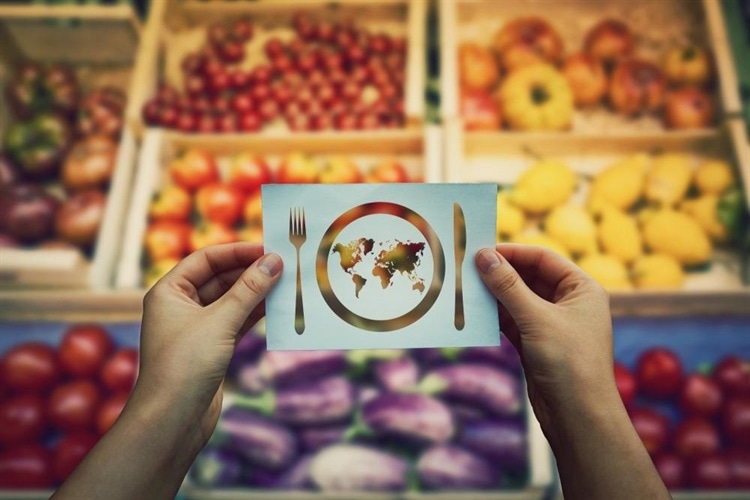
Global Food Security Challenges: Feeding the World in an Uncertain Future
🌱 Why Food Security Matters
Food security means that all people have reliable access to sufficient, safe, and nutritious food. It is not just about producing enough food—it’s about ensuring equitable distribution, affordability, and sustainability. As the global population heads toward 8.5 billion by 2030, food security has become one of the most pressing challenges of our time.
🌍 Key Challenges Facing Global Food Security
- Climate Change
- Rising temperatures, unpredictable rainfall, and extreme weather events disrupt farming cycles.
- Droughts and floods reduce yields, while shifting climates threaten staple crops like wheat, maize, and rice.
- Population Growth and Urbanization
- Rapid urban expansion reduces arable land.
- Growing demand for food in cities strains rural production and supply chains.
- Resource Scarcity
- Water shortages affect irrigation in regions like Sub-Saharan Africa and South Asia.
- Soil degradation and loss of biodiversity reduce long-term productivity.
- Conflict and Political Instability
- Wars and displacement disrupt farming and food distribution.
- Political instability often leads to food price spikes and shortages.
- Economic Inequality
- Smallholder farmers, who produce much of the world’s food, often lack access to markets, credit, and technology.
- Rising food prices disproportionately affect vulnerable populations.
- Supply Chain Vulnerabilities
- Globalized food systems are sensitive to shocks such as pandemics, trade restrictions, and transportation disruptions.
- Post-harvest losses remain high, especially in developing countries without adequate storage infrastructure.
- Dietary Shifts
- Rising demand for meat and processed foods increases pressure on land, water, and energy.
- Balancing nutrition with sustainability is a growing challenge.
🚜 Innovations and Solutions
- Climate-smart agriculture: Drought-resistant crops, precision irrigation, and regenerative practices.
- Technology integration: AI, blockchain, and digital twins for smarter farming and transparent supply chains.
- Policy support: Governments incentivizing sustainable farming and reducing food waste.
- Community empowerment: Strengthening smallholder farmers through cooperatives, microfinance, and training.
- Alternative proteins: Plant-based and lab-grown foods reduce reliance on resource-intensive livestock.
🌟 The Future Vision
Global food security challenges are complex, but they also present opportunities for innovation and collaboration. Imagine a world where urban vertical farms feed megacities, where blockchain ensures fair trade for farmers, and where climate-smart practices restore ecosystems while producing food sustainably. Achieving food security by 2030 will require collective action—governments, businesses, farmers, and consumers working together to ensure no one goes hungry.

DONATE & HELP FEED THE WORLD- PRESS THE LINK BELOW AND DONATE- https://www.paypal.com/donate/?hosted_button_id=XBTLE4H5G322N
Your support helps AgriHelpAfrica share sustainable farming practices with the world, one post at a time. Together, we can cultivate resilience, empower farmers, and grow a future where agriculture thrives and feed’s the world .


Leave a comment