:
🤖 AI-Powered Pest Detection Systems: The Future of Crop Protection
Introduction
Pests remain one of the biggest threats to global food security, causing billions of dollars in crop losses annually. Traditional detection methods—manual scouting and chemical spraying—are often slow, costly, and environmentally harmful. In 2026, AI-powered pest detection systems are revolutionizing agriculture by offering farmers real-time, precise, and sustainable solutions.
1. How AI Pest Detection Works
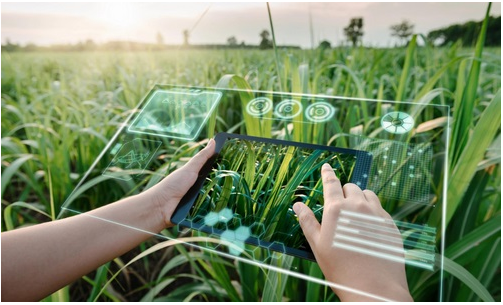
- Image Recognition: AI models analyze photos from smartphones, drones, or field cameras to identify pests and diseases.
- Sensor Integration: Smart sensors capture environmental data (temperature, humidity, soil conditions) to predict pest outbreaks.
- Machine Learning: Algorithms learn from historical data, improving accuracy with every season.
- IoT Connectivity: Systems send alerts directly to farmers’ phones, enabling quick action.
2. Benefits for Farmers
- Early Detection: Identifies pests before infestations spread, saving crops and reducing losses.
- Precision Control: Pinpoints affected areas, minimizing pesticide use and costs.
- Sustainability: Reduces chemical reliance, protecting soil health and biodiversity.
- Data-Driven Decisions: Farmers gain insights into pest patterns, helping plan rotations and resistant crop varieties.
3. Real-World Applications
- Drone Surveillance: Drones equipped with AI cameras scan large fields for pest hotspots.
- Mobile Apps: Farmers snap a photo of a damaged leaf, and AI instantly diagnoses the pest.
- Smart Traps: AI-enabled traps automatically identify and count insects, providing population data.
- Predictive Models: AI forecasts pest outbreaks based on weather and crop cycles.
4. Challenges & Considerations
- Cost: Advanced AI systems may be expensive for smallholder farmers.
- Connectivity: Rural areas need reliable internet for real-time alerts.
- Training: Farmers must learn to use digital tools effectively.
- Data Privacy: Secure handling of farm data is essential.
5. Future Outlook
- Affordable AI Tools: Low-cost smartphone apps are making AI accessible to smallholders.
- Integration with Robotics: Autonomous robots may soon detect and remove pests directly in the field.
- Global Collaboration: Shared pest databases across countries will improve detection accuracy.
- Climate Adaptation: AI will help predict new pest threats emerging due to climate change.
Conclusion
AI-powered pest detection systems are transforming agriculture by combining technology, sustainability, and precision. They empower farmers to protect crops more efficiently, reduce costs, and safeguard food security in an era of climate uncertainty.
✅ Key Takeaway: With AI, pest management is shifting from reactive spraying to proactive, data-driven farming.

DONATE & HELP FEED THE WORLD- PRESS THE LINK BELOW AND DONATE- https://www.paypal.com/donate/?hosted_button_id=XBTLE4H5G322N
Your support helps AgriHelpAfrica share sustainable farming practices with the world, one post at a time. Together, we can cultivate resilience, empower farmers, and grow a future where agriculture thrives and feed’s the world .
 AGRIHELPAFRICA
Leave a comment