Managing Fall Armyworm in 2026
🌾 Managing Fall Armyworm in 2026
Understanding the Threat
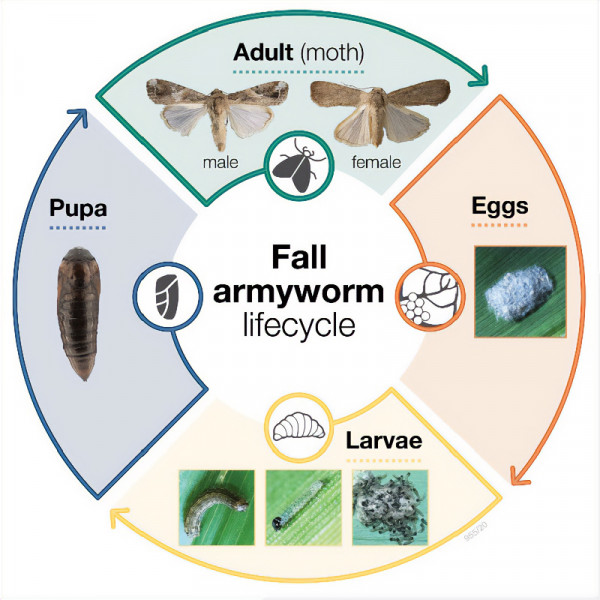
- Fall armyworm (Spodoptera frugiperda) is a fast-reproducing moth whose larvae feed aggressively on maize and over 80 other plant species.
- A single female can lay up to 1,500 eggs, making infestations spread rapidly.
- In Zimbabwe and across Africa, FAW has caused yield losses of up to 30–50% in maize fields if unmanaged.
Why Control Is Challenging
- Rapid reproduction and migration across regions.
- Wide host range beyond maize, including sorghum, rice, and vegetables.
- Resistance to pesticides due to overuse of chemicals.
- Hidden feeding behavior: larvae burrow into maize whorls, making detection difficult.
Integrated Management Strategies in 2026
1. Prevention & Monitoring
- Field scouting: Regular inspection of maize whorls for early signs of larvae.
- Digital tools: Mobile apps and AI-driven platforms now help farmers predict outbreaks and receive alerts.
- Community surveillance: Farmer groups share data to track pest movement across districts.
2. Biological Control
- Natural enemies: Parasitoid wasps and predatory insects are being promoted as eco-friendly solutions.
- Biopesticides: Products based on Bacillus thuringiensis (Bt) and entomopathogenic fungi are widely available in 2026.
- Push-pull systems: Intercropping maize with repellent plants (like Desmodium) and trap crops (like Napier grass) reduces infestation.
3. Resistant Varieties
- Genetically improved maize: New hybrids with tolerance to FAW damage are being adopted in Africa.
- Traditional crop rotation: Alternating maize with legumes reduces pest buildup.
4. Chemical Control (Last Resort)
- Targeted spraying: Only when infestations exceed economic thresholds.
- Safer formulations: Use of selective pesticides that minimize harm to beneficial insects.
- Training programs: Farmer Field Schools emphasize correct dosage and timing to avoid resistance.
Challenges Ahead
- Cost barriers: Smallholder farmers struggle to afford advanced biopesticides and resistant seeds.
- Climate change: Warmer temperatures expand FAW’s range into new areas.
- Knowledge gaps: Continuous farmer training is needed to adopt integrated pest management (IPM).
Conclusion
Managing fall armyworm in 2026 requires a multi-pronged approach: prevention, biological control, resistant varieties, and judicious chemical use. With digital tools and community-based monitoring, African farmers are better equipped than ever to fight this pest.
✅ Key Takeaway: Farmers who combine traditional practices with modern innovations are seeing reduced losses and more sustainable maize production.

DONATE & HELP FEED THE WORLD- PRESS THE LINK BELOW AND DONATE- https://www.paypal.com/donate/?hosted_button_id=XBTLE4H5G322N
Your support helps AgriHelpAfrica share sustainable farming practices with the world, one post at a time. Together, we can cultivate resilience, empower farmers, and grow a future where agriculture thrives and feed’s the world .


Leave a Reply