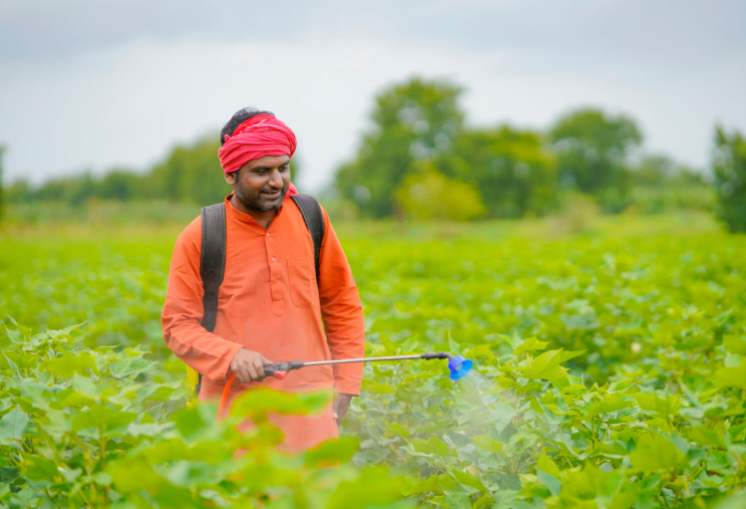
🐞 Biological Pest Control Methods: Nature’s Way of Protecting Crops
Introduction
Chemical pesticides have long been the go-to solution for pest management, but they often come with environmental and health risks. Biological pest control offers a natural, eco-friendly alternative by using living organisms to suppress pest populations. This method is gaining traction worldwide, especially in climate-smart farming systems.
1. Predatory Insects
- Lady beetles (ladybugs): Feed on aphids, whiteflies, and other soft-bodied pests.
- Lacewings: Their larvae are voracious predators of caterpillars and mites.
- Spiders: Naturally regulate insect populations in crop fields.
✅ Benefit: Reduces reliance on chemical sprays while maintaining ecological balance.
2. Parasitoids
- Wasps (e.g., Trichogramma): Lay eggs inside pest larvae or eggs, eventually killing them.
- Tachinid flies: Target caterpillars and beetles.
✅ Benefit: Highly specific to target pests, minimizing harm to beneficial insects.
3. Microbial Control
- Bacteria: Bacillus thuringiensis (Bt) produces toxins lethal to caterpillars but safe for humans and animals.
- Fungi: Beauveria bassiana infects and kills pests like whiteflies and beetles.
- Viruses: Nuclear polyhedrosis viruses (NPVs) target caterpillars such as fall armyworm.
✅ Benefit: Effective against resistant pests and compatible with organic farming.
4. Botanical Extracts (Biopesticides)
- Neem oil: Disrupts insect feeding and reproduction.
- Pyrethrum: Derived from chrysanthemum flowers, effective against a wide range of insects.
✅ Benefit: Biodegradable and safer for pollinators compared to synthetic chemicals.
5. Cultural & Ecological Methods
- Push-pull technology: Intercropping maize with Desmodium (repels pests) and Napier grass (attracts pests).
- Habitat management: Planting flowering strips to attract natural enemies.
- Crop rotation: Breaks pest life cycles naturally.
✅ Benefit: Strengthens farm ecosystems and reduces pest outbreaks.
Challenges of Biological Control
- Slower action compared to chemical pesticides.
- Environmental dependency: Effectiveness can vary with climate and habitat.
- Knowledge gap: Farmers need training to identify and use biological agents correctly.
Conclusion
Biological pest control methods harness the power of nature to protect crops sustainably. By integrating predators, parasitoids, microbes, and ecological practices, farmers can reduce chemical use, safeguard biodiversity, and build resilience against pests.
✅ Key Takeaway: Biological control is not just an alternative—it’s the future of sustainable pest management.

DONATE & HELP FEED THE WORLD- PRESS THE LINK BELOW AND DONATE- https://www.paypal.com/donate/?hosted_button_id=XBTLE4H5G322N
Your support helps AgriHelpAfrica share sustainable farming practices with the world, one post at a time. Together, we can cultivate resilience, empower farmers, and grow a future where agriculture thrives and feed’s the world .


Leave a Reply