🌱 Crop Rotation Benefits Explained
Introduction
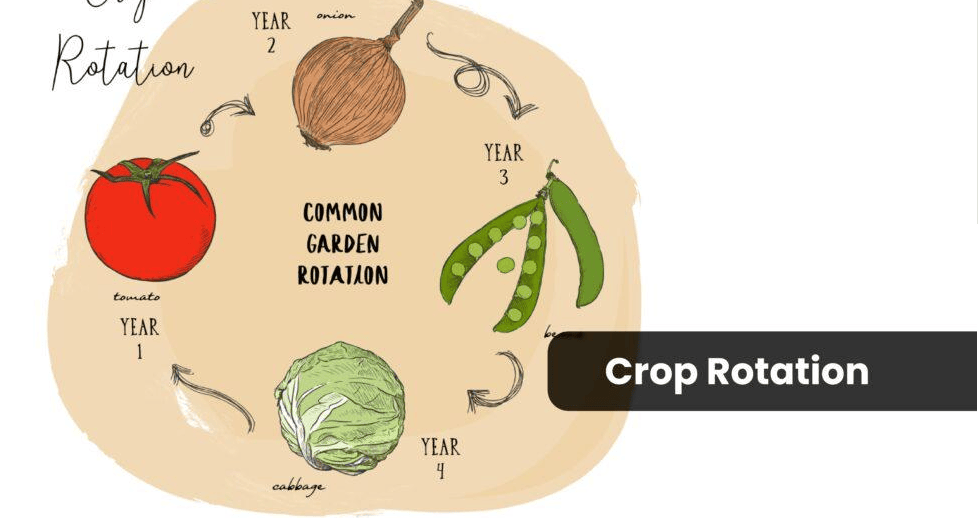
Crop rotation is the practice of growing different types of crops in the same field across seasons or years. Far from being just tradition, it’s a scientifically proven method that improves soil health, boosts yields, and supports sustainable agriculture.
1. Soil Fertility Improvement
- Nutrient balance: Different crops use and replenish different nutrients. For example, legumes fix nitrogen, enriching the soil for cereals like maize or wheat.
- Reduced need for synthetic fertilizers: Natural nutrient cycling lowers costs and promotes eco-friendly farming.
2. Pest and Disease Control
- Breaking pest cycles: Rotating crops disrupts the life cycle of pests and pathogens that thrive on specific plants.
- Lower chemical use: Farmers can reduce reliance on pesticides, saving money and protecting ecosystems.
3. Weed Management
- Varied crop competition: Different crops shade and compete with weeds differently, reducing their spread.
- Less herbicide dependence: Rotation helps naturally suppress weeds, lowering chemical inputs.
4. Improved Soil Structure
- Root diversity: Deep-rooted crops like sunflowers or sorghum improve soil aeration, while shallow-rooted crops protect topsoil.
- Erosion prevention: Continuous cover from varied crops reduces soil erosion by wind and water.
5. Higher Yields and Profitability
- Balanced productivity: Healthy soils and fewer pests lead to stronger yields.
- Market flexibility: Rotating crops allows farmers to diversify income streams and adapt to market demand.
6. Climate Resilience
- Adaptation to rainfall variability: Different crops have varying water needs, making farms more resilient to droughts or floods.
- Carbon sequestration: Diverse cropping systems contribute to climate-smart agriculture.
Conclusion
Crop rotation is more than a traditional practice—it’s a cornerstone of sustainable farming. By improving soil fertility, reducing pests, managing weeds, and boosting yields, it empowers farmers to cultivate healthier fields and secure long-term productivity.
✅ Key Takeaway: Rotating crops is a simple yet powerful way to farm smarter, conserve resources, and build resilience against climate change.

DONATE & HELP FEED THE WORLD- PRESS THE LINK BELOW AND DONATE- https://www.paypal.com/donate/?hosted_button_id=XBTLE4H5G322N
Your support helps AgriHelpAfrica share sustainable farming practices with the world, one post at a time. Together, we can cultivate resilience, empower farmers, and grow a future where agriculture thrives and feed’s the world .
 AGRIHELPAFRICA
Leave a comment