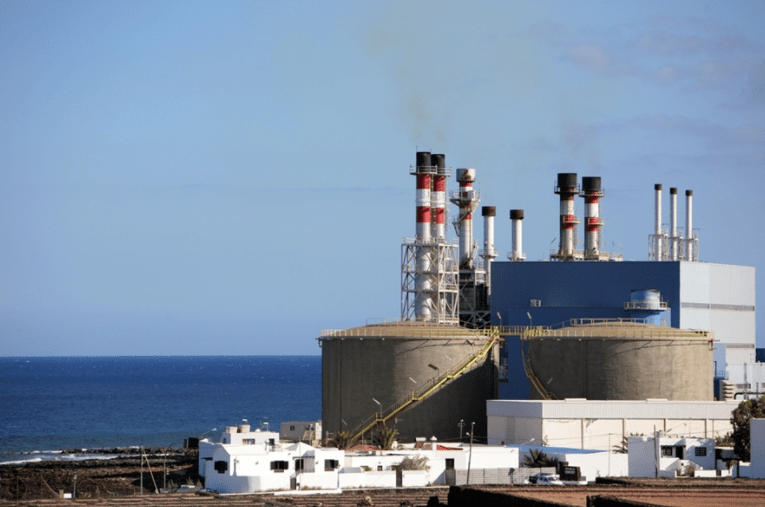
Desalination for Irrigation: Turning Saltwater into Sustainable Farming
🌱 Why Desalination Matters in Agriculture
Water scarcity is one of the greatest challenges facing global agriculture. With climate change intensifying droughts and freshwater resources becoming increasingly limited, farmers are searching for alternative solutions. Desalination—the process of removing salt from seawater or brackish water—offers a promising pathway to secure irrigation supplies and sustain food production.
💧 How Desalination Works
- Reverse Osmosis (RO): The most common method, where water is forced through membranes that filter out salts and impurities.
- Thermal Distillation: Uses heat to evaporate water, leaving salts behind, then condenses the vapor into freshwater.
- Electrodialysis: Employs electrical currents to separate salts from water.
- Hybrid Systems: Combine multiple technologies to improve efficiency and reduce costs.
🚜 Applications in Agriculture
- Greenhouse farming: Desalinated water supports high-value crops in arid regions.
- Drip irrigation systems: Efficiently deliver desalinated water directly to plant roots, minimizing waste.
- Aquaponics and hydroponics: Controlled environments benefit from clean, salt-free water.
- Large-scale desert farming: Countries in the Middle East and North Africa use desalination to cultivate crops in otherwise barren landscapes.
🌍 Success Stories
- Israel: A global leader in desalination, Israel uses seawater desalination plants to supply irrigation for crops, helping achieve near water self-sufficiency.
- Saudi Arabia & UAE: Large-scale projects combine desalination with advanced irrigation to grow vegetables and fruits in desert climates.
- Spain: Coastal regions use desalinated water to support greenhouse farming, particularly for export crops like tomatoes and peppers.
- California, USA: Pilot projects explore desalination as a backup water source during droughts.
🌱 Benefits of Desalination for Irrigation
- Reliable water supply: Provides consistent access to freshwater in drought-prone regions.
- Food security: Expands agricultural capacity in water-scarce areas.
- Climate resilience: Reduces dependence on rainfall and vulnerable freshwater sources.
- Economic opportunities: Enables high-value crop production in arid zones.
⚖️ Challenges Ahead
- High energy demand: Desalination requires significant electricity, raising costs and carbon footprints.
- Environmental concerns: Brine discharge (concentrated saltwater) can harm marine ecosystems.
- Cost barriers: Infrastructure and maintenance are expensive, limiting access for smallholder farmers.
- Scalability: Large-scale adoption requires policy support, renewable energy integration, and technological innovation.
🌟 The Future Vision
By 2030, desalination could become a cornerstone of climate-smart agriculture. Imagine desert farms thriving with desalinated water powered by solar energy, or coastal communities turning seawater into fertile fields. With innovation and sustainable practices, desalination can help bridge the gap between water scarcity and global food demand.

DONATE & HELP FEED THE WORLD- PRESS THE LINK BELOW AND DONATE- https://www.paypal.com/donate/?hosted_button_id=XBTLE4H5G322N
Your support helps AgriHelpAfrica share sustainable farming practices with the world, one post at a time. Together, we can cultivate resilience, empower farmers, and grow a future where agriculture thrives and feed’s the world .
 AGRIHELPAFRICA
Leave a comment