Pasture Management Innovations Revisited: A Year-End Reflection
🌱 Why Pasture Management Matters
Pasture systems are the backbone of livestock farming, providing feed, soil health, and ecosystem services. As climate pressures, land degradation, and rising demand for animal products intensify, innovations in pasture management have become essential for sustainable agriculture. Looking back at the past year, we can see how farmers, researchers, and policymakers have reshaped the way we think about grazing lands.
🚜 Key Innovations in 2025
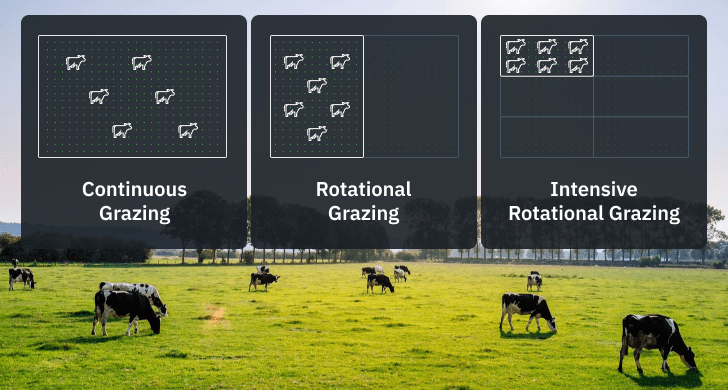
- Rotational Grazing 2.0: Farmers adopted digitally monitored rotational systems, using GPS collars and drones to track herd movement and optimize grazing cycles.
- Pasture Biodiversity Mixes: Seed blends with legumes, native grasses, and pollinator-friendly plants improved soil fertility and resilience against drought.
- Carbon-Sequestering Practices: Pastures were managed to maximize root biomass, turning grazing lands into carbon sinks.
- Smart Irrigation Systems: Solar-powered sensors regulated water use, ensuring pastures stayed productive even in dry seasons.
- Regenerative Integration: Pasture management was increasingly linked with agroforestry and crop-livestock systems, creating diversified landscapes.
🌍 Success Stories from the Field
- Australia: Farmers combined rotational grazing with native grass restoration, boosting productivity and biodiversity.
- Kenya: Community-led pasture cooperatives introduced reseeding programs and water harvesting, improving resilience in semi-arid regions.
- Europe: Policy-driven incentives encouraged farmers to adopt carbon-friendly pasture practices tied to the EU Green Deal.
- South America: Ranchers integrated silvopastoral systems, planting trees alongside pastures to provide shade, fodder, and carbon storage.
🌱 Benefits Observed This Year
- Improved livestock health: Better forage quality reduced reliance on supplements.
- Soil regeneration: Enhanced organic matter and microbial activity strengthened long-term fertility.
- Climate resilience: Pastures with diverse species weathered droughts and floods more effectively.
- Economic gains: Farmers reported reduced input costs and new income streams from carbon credits.
⚖️ Challenges Still Ahead
- Adoption barriers: Smallholders often lack access to technology and training.
- Policy gaps: Not all governments provide incentives for sustainable pasture practices.
- Knowledge transfer: Bridging research innovations with farmer realities remains a challenge.
- Market pressures: Demand for cheap meat can discourage investment in sustainable systems.
🌟 Looking Forward to 2026
The year-end reflection shows that pasture management is no longer just about grass—it’s about ecosystem design, climate action, and farmer empowerment. As we move into 2026, expect to see:
- Wider adoption of AI-powered grazing systems.
- Expansion of silvopastoral models across tropical regions.
- Stronger policy frameworks linking pasture health to carbon markets.
- Farmer-to-farmer networks sharing best practices globally.
Pasture management innovations are proving that sustainable livestock farming is possible—and that healthy pastures can be the foundation of resilient food systems.

DONATE & HELP FEED THE WORLD- PRESS THE LINK BELOW AND DONATE- https://www.paypal.com/donate/?hosted_button_id=XBTLE4H5G322N
Your support helps AgriHelpAfrica share sustainable farming practices with the world, one post at a time. Together, we can cultivate resilience, empower farmers, and grow a future where agriculture thrives and feed’s the world .


Leave a Reply