Future Farming Scenarios for 2030: Cultivating Tomorrow’s Food Systems
🌱 Why Look Ahead to 2030?
Agriculture is at the crossroads of climate change, technology, and global food demand. By 2030, farming will look very different from today—driven by innovation, sustainability, and new consumer expectations. Exploring possible scenarios helps us prepare for challenges and opportunities in the decade ahead.
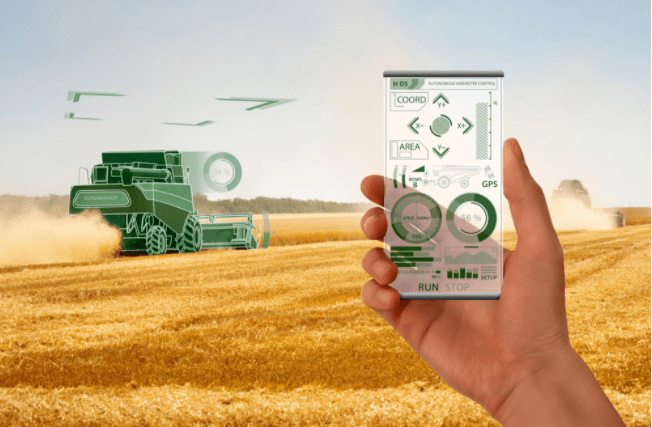
🚜 Scenario 1: AI-Driven Precision Farming
- Smart sensors and drones monitor soil health, crop growth, and weather patterns in real time.
- Artificial intelligence guides farmers on when to plant, irrigate, and harvest for maximum efficiency.
- Robotics automate labor-intensive tasks, reducing costs and improving accuracy.
- Outcome: Higher yields with fewer inputs, minimizing waste and environmental impact.
🌍 Scenario 2: Climate-Resilient Agriculture
- Drought-resistant crops and genetic innovations ensure food security in changing climates.
- Agroecology and regenerative practices restore soil fertility and biodiversity.
- Water-smart systems like drip irrigation and rainwater harvesting become standard.
- Outcome: Farms adapt to extreme weather, protecting livelihoods and ecosystems.
🏙️ Scenario 3: Urban and Vertical Farming
- Skyscraper farms and rooftop greenhouses supply fresh produce to city populations.
- Hydroponics and aeroponics reduce reliance on soil and conserve water.
- Local food hubs shorten supply chains, cutting emissions and ensuring freshness.
- Outcome: Cities become self-sufficient in food production, reducing dependence on rural imports.
🌐 Scenario 4: Digital Twins and Smart Supply Chains
- Virtual farm models simulate crop growth and predict outcomes before planting.
- Blockchain technology ensures transparency from farm to fork.
- Predictive logistics reduce food waste by aligning production with demand.
- Outcome: Smarter, more resilient supply chains that benefit both farmers and consumers.
🐄 Scenario 5: Sustainable Livestock and Alternative Proteins
- Precision feeding and monitoring reduce methane emissions from livestock.
- Plant-based and lab-grown proteins become mainstream, reshaping diets.
- Integrated livestock-crop systems recycle nutrients and reduce environmental footprints.
- Outcome: Balanced protein production that meets demand while protecting the planet.
⚖️ Challenges Across All Scenarios
- Equity: Ensuring smallholder farmers benefit from new technologies.
- Policy support: Governments must incentivize sustainable practices.
- Consumer acceptance: Shifts in diet and food systems require cultural adaptation.
- Infrastructure: Reliable energy, connectivity, and transport are essential for scaling innovations.
🌟 The Vision for 2030
Future farming will be smarter, greener, and more inclusive. Imagine a world where AI guides planting decisions, cities harvest food from vertical farms, and regenerative practices restore ecosystems. By 2030, agriculture won’t just feed people—it will heal the planet, empower communities, and redefine how we connect to food.

DONATE & HELP FEED THE WORLD- PRESS THE LINK BELOW AND DONATE- https://www.paypal.com/donate/?hosted_button_id=XBTLE4H5G322N
Your support helps AgriHelpAfrica share sustainable farming practices with the world, one post at a time. Together, we can cultivate resilience, empower farmers, and grow a future where agriculture thrives and feed’s the world .


Leave a Reply