🐞 Integrated Pest Management Strategies: Sustainable Solutions for Farmers
Why Integrated Pest Management (IPM) Matters
Pests and diseases cause up to 40% yield losses globally, with African smallholders particularly vulnerable. Traditional reliance on chemical pesticides is costly, harmful to the environment, and often ineffective in the long run. Integrated Pest Management (IPM) offers a smarter, eco-friendly approach by combining biological, cultural, mechanical, and chemical methods to keep pests under control.
🌱 Core Principles of IPM
- Prevention First – Healthy soils, resistant crop varieties, and good farm hygiene reduce pest risks.
- Monitoring & Early Detection – Regular scouting helps identify pests before they spread.
- Threshold-Based Action – Interventions are applied only when pest levels exceed economic thresholds.
- Combination of Methods – No single solution works everywhere; IPM blends multiple strategies.
🔧 Key IPM Strategies for Farmers
1. Biological Control
- Introduce natural enemies like ladybugs, parasitic wasps, and predatory mites.
- Use microbial biopesticides (e.g., Bacillus thuringiensis for caterpillars).
- Encourage biodiversity to support beneficial insects.
2. Cultural Practices
- Crop rotation breaks pest life cycles.
- Intercropping reduces pest spread and attracts beneficial insects.
- Planting pest-resistant varieties minimizes damage.
3. Mechanical & Physical Methods
- Handpicking pests in small plots.
- Using traps (pheromone traps, sticky boards).
- Barriers like nets to protect crops from insects and birds.
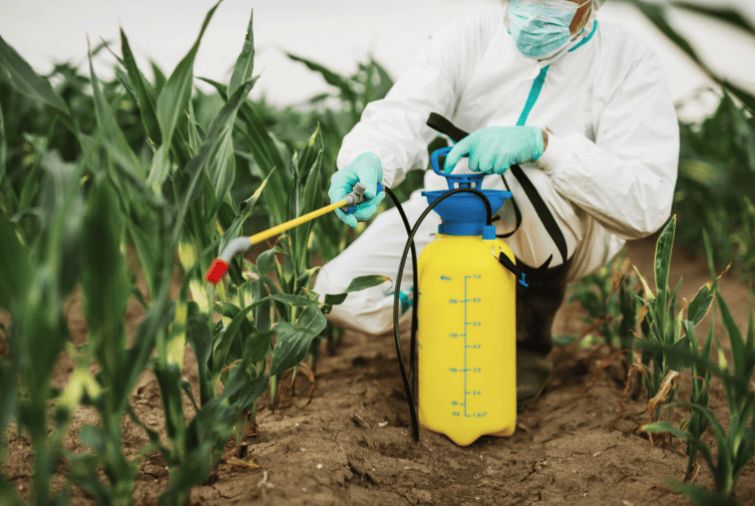
4. Chemical Control (Last Resort)
- Use pesticides only when necessary and in targeted applications.
- Rotate chemicals to prevent resistance.
- Follow safety guidelines to protect farmers, consumers, and ecosystems.
📈 Benefits of IPM
- Reduced costs by minimizing pesticide use.
- Healthier ecosystems with less chemical pollution.
- Sustainable yields through long-term pest suppression.
- Safer food for consumers and communities.
🌍 Zimbabwe & Global Context
In Zimbabwe, IPM is increasingly promoted for crops like maize, cotton, and horticultural produce. Farmers are adopting pheromone traps for fall armyworm, crop rotation for maize and legumes, and biocontrol agents for tomato pests. Globally, IPM is recognized as the gold standard for sustainable pest management, supported by FAO and agricultural research institutions.
✅ Key Takeaway
Integrated Pest Management is not just a technique—it’s a mindset shift. By combining prevention, monitoring, biological control, cultural practices, and judicious chemical use, farmers can protect crops, reduce costs, and safeguard the environment.

DONATE & HELP FEED THE WORLD- PRESS THE LINK BELOW AND DONATE- https://www.paypal.com/donate/?hosted_button_id=XBTLE4H5G322N
Your support helps AgriHelpAfrica share sustainable farming practices with the world, one post at a time. Together, we can cultivate resilience, empower farmers, and grow a future where agriculture thrives and feed’s the world .
 AGRIHELPAFRICA
Leave a comment