🌱 Soil Microbiome and Crop Productivity: Unlocking Nature’s Hidden Power
Why the Soil Microbiome Matters
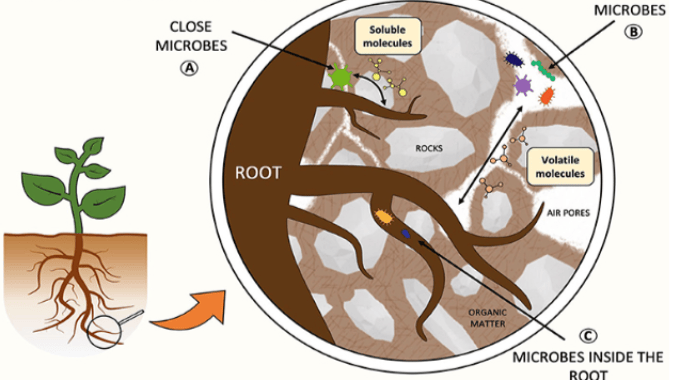
Beneath our feet lies a bustling ecosystem of bacteria, fungi, protozoa, and other microorganisms—collectively known as the soil microbiome. This invisible community plays a critical role in nutrient cycling, plant health, and crop productivity. For farmers, understanding and managing the soil microbiome is as important as choosing the right seeds or fertilizers.
🌾 How the Soil Microbiome Boosts Crop Productivity
1. Nutrient Cycling
- Microbes break down organic matter into nutrients like nitrogen, phosphorus, and potassium.
- Beneficial fungi (mycorrhizae) extend plant root systems, improving nutrient uptake.
2. Disease Suppression
- Certain microbes act as natural biocontrol agents, protecting crops from pathogens.
- Healthy microbial diversity reduces the risk of soil-borne diseases.
3. Improved Soil Structure
- Microbial activity produces organic compounds that bind soil particles.
- This enhances water retention and reduces erosion—vital in dry regions.
4. Stress Tolerance
- Microbes help plants withstand drought, salinity, and heat stress.
- Symbiotic bacteria can boost root growth and resilience under harsh conditions.
🌍 Best Practices for Farmers
1. Use Organic Amendments
- Compost, manure, and crop residues feed beneficial microbes.
- Avoid overuse of synthetic fertilizers, which can disrupt microbial balance.
2. Adopt Conservation Agriculture
- Minimum tillage preserves microbial habitats.
- Mulching and cover crops maintain soil moisture and organic matter.
3. Diversify Cropping Systems
- Crop rotation and intercropping encourage microbial diversity.
- Legumes enrich soil with nitrogen-fixing bacteria.
4. Leverage Biofertilizers
- Products containing beneficial microbes (e.g., rhizobia, mycorrhizae) enhance soil fertility.
- Affordable and increasingly available across Africa.
5. Avoid Excessive Chemicals
- Overuse of pesticides and herbicides harms beneficial microbes.
- Integrated pest management (IPM) balances crop protection with soil health.
📈 Benefits for Farmers
- Higher yields through improved nutrient availability.
- Reduced input costs by relying on natural soil fertility.
- Resilient crops that withstand drought and disease.
- Long-term sustainability of farming systems.
🌍 Zimbabwe & Global Context
In Zimbabwe, smallholder farmers using compost, crop rotations, and conservation agriculture are seeing improved yields thanks to healthier soil microbiomes. Globally, research shows that farms with diverse microbial communities are more productive and sustainable, making this a universal solution for food security.
✅ Key Takeaway
The soil microbiome is the hidden engine of agriculture. By nurturing microbial life through organic amendments, crop diversity, and reduced chemical use, farmers can unlock higher productivity, resilience, and sustainability.

DONATE & HELP FEED THE WORLD- PRESS THE LINK BELOW AND DONATE- https://www.paypal.com/donate/?hosted_button_id=XBTLE4H5G322N
Your support helps AgriHelpAfrica share sustainable farming practices with the world, one post at a time. Together, we can cultivate resilience, empower farmers, and grow a future where agriculture thrives and feed’s the world .


Leave a Reply