Sustainable Packaging in Agriculture: Protecting Produce and the Planet
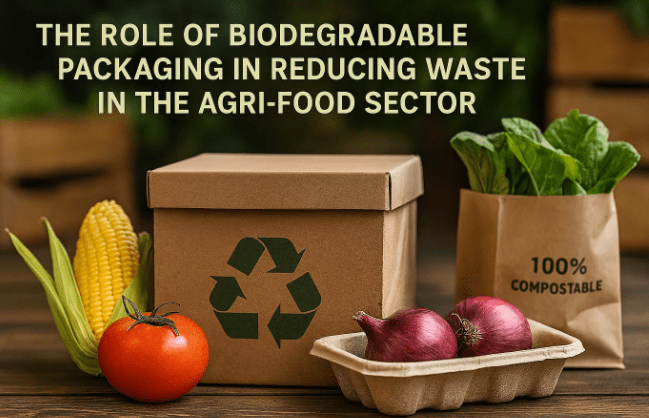
Sustainable Packaging in Agriculture: Protecting Produce and the Planet
🌱 Why Sustainable Packaging Matters
Agriculture doesn’t end at the farm—it continues through storage, transport, and delivery to consumers. Packaging plays a critical role in protecting produce, reducing waste, and ensuring food safety. However, traditional packaging materials like plastics contribute heavily to pollution. Sustainable packaging offers eco-friendly alternatives that safeguard both crops and the environment.
📦 What is Sustainable Packaging in Agriculture?
Sustainable packaging refers to materials and methods designed to minimize environmental impact while maintaining functionality. In agriculture, this means packaging that:
- Preserves freshness and quality of produce.
- Reduces waste through compostable or recyclable materials.
- Uses renewable resources and energy-efficient production.
- Supports circular economies by re-entering the supply chain after use.
🚜 Innovations in Agricultural Packaging
- Biodegradable films: Made from plant-based polymers, these protect fruits and vegetables while breaking down naturally.
- Compostable trays and boxes: Materials like sugarcane bagasse or bamboo replace plastic containers.
- Edible coatings: Natural coatings from chitosan or starch extend shelf life without extra packaging.
- Reusable crates: Durable crates for transport reduce single-use packaging waste.
- Smart packaging: Sensors embedded in packaging monitor freshness and reduce spoilage.
🌍 Success Stories
- Europe: Farmers use compostable packaging for organic produce, aligning with EU sustainability goals.
- India: Startups develop biodegradable films from seaweed to package vegetables.
- Latin America: Coffee exporters adopt recyclable bags to meet global eco-label standards.
- Africa: Solar-powered cold storage combined with reusable crates reduces post-harvest losses.
🌱 Benefits of Sustainable Packaging
- Environmental protection: Reduces plastic pollution and carbon footprint.
- Food security: Extends shelf life, reducing food waste.
- Market advantage: Eco-friendly packaging appeals to conscious consumers.
- Economic efficiency: Reusable and recyclable materials lower long-term costs.
- Policy alignment: Meets growing government regulations on single-use plastics.
⚖️ Challenges Ahead
- Cost barriers: Sustainable materials can be more expensive initially.
- Infrastructure gaps: Recycling and composting systems are not always available.
- Farmer adoption: Smallholders may lack access to affordable sustainable packaging.
- Consumer awareness: Education is needed to encourage proper disposal and recycling.
🌟 The Future Vision
Sustainable packaging in agriculture is more than a trend—it’s a necessity for global food systems. Imagine markets where fruits are wrapped in biodegradable films, vegetables are sold in compostable trays, and coffee beans travel in recyclable bags. By embracing sustainable packaging, agriculture can reduce waste, protect ecosystems, and deliver food responsibly to future generations.

DONATE & HELP FEED THE WORLD- PRESS THE LINK BELOW AND DONATE- https://www.paypal.com/donate/?hosted_button_id=XBTLE4H5G322N
Your support helps AgriHelpAfrica share sustainable farming practices with the world, one post at a time. Together, we can cultivate resilience, empower farmers, and grow a future where agriculture thrives and feed’s the world .


Leave a Reply