Agroecology for Diverse Farming Systems: Cultivating Resilience and Sustainability
🌱 What is Agroecology?
Agroecology is both a science and a practice that applies ecological principles to farming. It emphasizes diversity, sustainability, and community empowerment. Unlike industrial agriculture, which often focuses on monocultures and high external inputs, agroecology promotes farming systems that are resilient, resource-efficient, and socially inclusive.
🌍 Why Agroecology Matters for Diverse Farming Systems
- Biodiversity: Agroecology encourages crop diversity, intercropping, and integration of livestock, which strengthens ecosystems.
- Climate resilience: Diverse farming systems are better able to withstand droughts, floods, and pests.
- Food security: By producing a variety of crops, farmers ensure balanced diets and reduce dependence on imports.
- Cultural preservation: Agroecology often builds on Indigenous and traditional farming wisdom, keeping cultural practices alive.
🚜 Key Agroecological Practices
- Intercropping: Planting multiple crops together to improve soil fertility and reduce pest outbreaks.
- Agroforestry: Integrating trees into farms to provide shade, improve soil health, and sequester carbon.
- Crop-livestock integration: Using manure as fertilizer and crop residues as animal feed to close nutrient cycles.
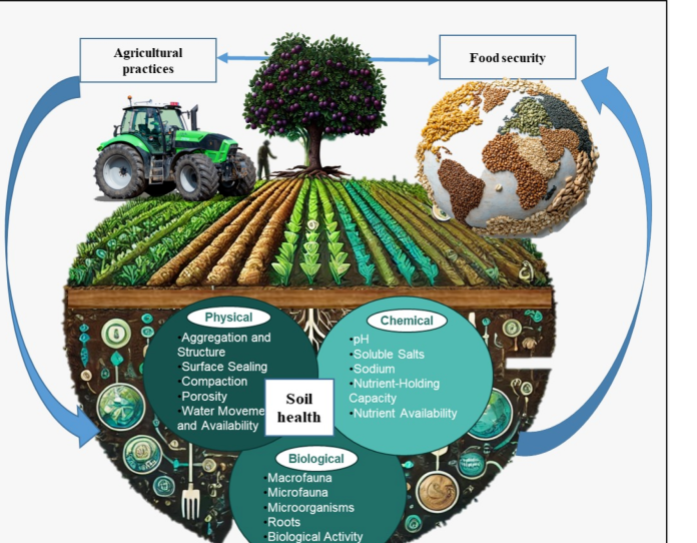
- Organic soil management: Composting, mulching, and reduced tillage to maintain soil health.
- Community seed banks: Preserving diverse crop varieties to ensure resilience against climate change.
🌍 Success Stories Around the World
- Latin America: Agroecology movements empower smallholder farmers to resist monoculture pressures and restore degraded lands.
- Africa: Diverse farming systems combining maize, legumes, and trees improve food security and soil fertility.
- Europe: Agroecology is integrated into regenerative farming policies, promoting biodiversity and carbon sequestration.
- Asia: Rice-fish farming systems blend aquaculture with crop production, enhancing nutrition and ecosystem health.
⚖️ Challenges Ahead
- Policy support: Agroecology requires enabling policies to compete with industrial agriculture subsidies.
- Knowledge transfer: Farmers need training and extension services to adopt agroecological practices.
- Market access: Diverse crops must find fair markets to ensure profitability.
- Scaling up: Agroecology thrives locally, but scaling requires systemic change in food systems.
🌟 The Future Vision
Agroecology offers a blueprint for resilient farming systems. Imagine landscapes where crops, livestock, and trees coexist harmoniously; where communities thrive on diverse diets; and where farming regenerates ecosystems instead of depleting them. By embracing agroecology, diverse farming systems can secure food, protect the planet, and empower farmers for generations to come.

DONATE & HELP FEED THE WORLD- PRESS THE LINK BELOW AND DONATE- https://www.paypal.com/donate/?hosted_button_id=XBTLE4H5G322N
Your support helps AgriHelpAfrica share sustainable farming practices with the world, one post at a time. Together, we can cultivate resilience, empower farmers, and grow a future where agriculture thrives and feed’s the world .
 AGRIHELPAFRICA
Leave a comment