Latin America’s Agroforestry Success Stories: Growing Food, Forests, and Futures
🌱 What is Agroforestry?
Agroforestry is the integration of trees and shrubs into farming systems. It blends agriculture and forestry to create landscapes that are more productive, resilient, and sustainable. In Latin America, agroforestry has become a powerful tool for tackling deforestation, improving food security, and supporting rural livelihoods.
🌍 Why Latin America Leads in Agroforestry
Latin America is home to the Amazon rainforest, diverse ecosystems, and millions of smallholder farmers. With increasing pressure from climate change and deforestation, agroforestry offers a way to balance economic growth with environmental stewardship. Governments, NGOs, and communities across the region are pioneering models that are now studied worldwide.
🚜 Success Stories Across the Region
- Brazil: Cocoa Under the Canopy Farmers in Bahia and the Amazon grow cocoa beneath native trees, restoring degraded land while producing high-value crops. This “cabruca” system boosts biodiversity and provides shade that improves cocoa quality.
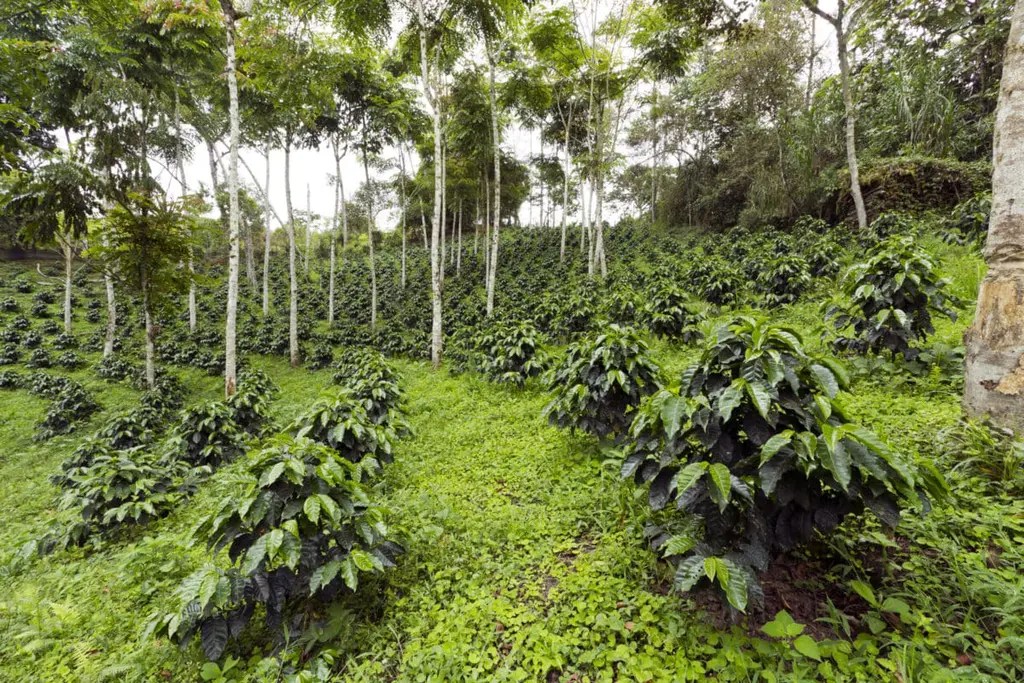
- Costa Rica: Coffee and Shade Trees Coffee farmers integrate shade trees that protect crops from heat, enrich soils, and provide habitats for birds. Costa Rica’s strong eco-tourism industry also benefits from these biodiverse landscapes.
- Mexico: Maize and Trees Together Traditional milpa systems combine maize, beans, squash, and trees. Modern adaptations of this practice improve soil fertility and reduce reliance on chemical inputs, while preserving cultural heritage.
- Peru: Agroforestry in the Andes Smallholder farmers plant fruit trees alongside staple crops, diversifying income and stabilizing soils on steep slopes. These systems reduce erosion and improve food security in vulnerable communities.
- Guatemala: Cardamom and Forests Farmers cultivate cardamom under forest cover, creating a lucrative export crop while maintaining tree cover and ecosystem services.
🌱 Benefits of Agroforestry
- Climate resilience: Trees store carbon, regulate microclimates, and protect against extreme weather.
- Economic empowerment: Farmers diversify income streams through timber, fruits, and cash crops.
- Food security: Integrated systems provide a mix of staple foods and marketable products.
- Biodiversity protection: Agroforestry preserves habitats and supports pollinators.
- Cultural continuity: Many systems build on indigenous knowledge and traditions.
⚖️ Challenges Ahead
- Scaling up: Many projects remain localized; broader adoption requires policy support.
- Market access: Farmers need fair trade opportunities to benefit fully from agroforestry products.
- Training and knowledge: Technical support is essential to help farmers adopt and adapt systems.
- Land tenure: Secure land rights are critical for long-term investment in trees.
🌟 The Future Vision
Latin America’s agroforestry success stories show that farming and forests can thrive together. Imagine landscapes where cocoa, coffee, and maize grow under tree canopies, communities prosper from diversified incomes, and ecosystems regenerate. Agroforestry is not just a farming method—it’s a movement toward resilience, sustainability, and cultural pride.

DONATE & HELP FEED THE WORLD- PRESS THE LINK BELOW AND DONATE- https://www.paypal.com/donate/?hosted_button_id=XBTLE4H5G322N
Your support helps AgriHelpAfrica share sustainable farming practices with the world, one post at a time. Together, we can cultivate resilience, empower farmers, and grow a future where agriculture thrives and feed’s the world .
 AGRIHELPAFRICA
Leave a comment