Indigenous Farming Wisdom in Modern Agriculture: Ancient Roots, Future Growth
🌱 Why Indigenous Knowledge Matters
For thousands of years, Indigenous communities across the world have cultivated food systems deeply attuned to nature. Their farming wisdom—rooted in observation, tradition, and respect for ecosystems—offers valuable lessons for today’s agriculture. As modern farming faces challenges like climate change, soil degradation, and biodiversity loss, integrating Indigenous practices provides pathways to resilience and sustainability.
🌍 Core Principles of Indigenous Farming Wisdom
- Harmony with nature: Indigenous farming emphasizes balance, ensuring that cultivation does not exhaust the land.
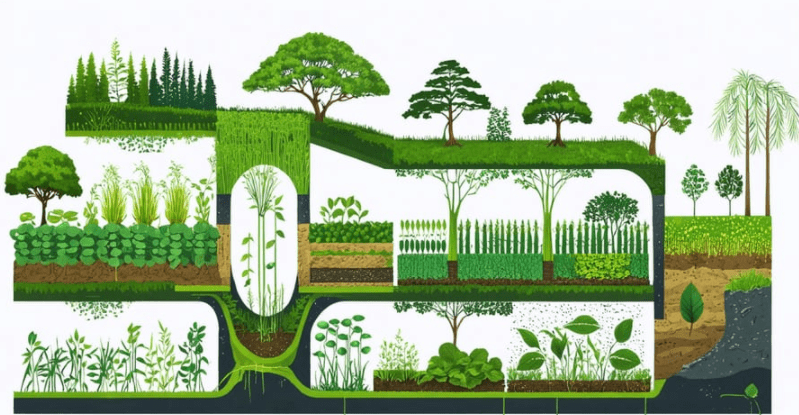
- Diversity of crops: Polyculture systems, such as the “Three Sisters” (maize, beans, squash) in North America, enhance soil fertility and reduce pest risks.
- Soil stewardship: Techniques like composting, mulching, and natural fertilization maintain soil health across generations.
- Water management: Traditional irrigation systems, such as qanats in the Middle East or waru-waru raised fields in the Andes, optimize water use in challenging climates.
- Community-centered farming: Agriculture is seen not just as food production but as a cultural and social practice that strengthens community bonds.
🚜 Modern Applications of Indigenous Wisdom
- Agroecology: Farmers worldwide are adopting Indigenous-inspired methods that integrate biodiversity, soil care, and ecological cycles.
- Climate resilience: Practices like intercropping and agroforestry help buffer against droughts, floods, and pests.
- Regenerative farming: Indigenous principles align with modern regenerative agriculture, focusing on restoring ecosystems rather than exploiting them.
- Seed preservation: Indigenous communities have long safeguarded diverse seed varieties, ensuring genetic resilience for future crops.
🌍 Success Stories
- Andean Highlands (Peru & Bolivia): Farmers revive waru-waru raised fields to combat flooding and drought, boosting yields sustainably.
- India: Traditional rice-fish farming systems are being reintroduced, improving food security and biodiversity.
- Kenya: Indigenous agroforestry practices are integrated into modern climate-smart farming, restoring degraded lands.
- North America: Native seed banks preserve heirloom varieties, supporting food sovereignty and resilience.
⚖️ Challenges Ahead
- Recognition: Indigenous knowledge is often undervalued compared to industrial farming methods.
- Integration: Bridging traditional wisdom with modern technology requires collaboration and respect.
- Policy support: Governments must create frameworks that protect Indigenous rights and promote knowledge-sharing.
- Cultural preservation: Safeguarding Indigenous farming practices also means protecting languages, rituals, and traditions.
🌟 The Future Vision
Indigenous farming wisdom is not a relic of the past—it’s a blueprint for the future. Imagine farms where drones and sensors work alongside ancient intercropping systems, where seed banks preserve biodiversity, and where agriculture is both productive and regenerative. By honoring Indigenous knowledge, modern agriculture can become more resilient, equitable, and sustainable.

DONATE & HELP FEED THE WORLD- PRESS THE LINK BELOW AND DONATE- https://www.paypal.com/donate/?hosted_button_id=XBTLE4H5G322N
Your support helps AgriHelpAfrica share sustainable farming practices with the world, one post at a time. Together, we can cultivate resilience, empower farmers, and grow a future where agriculture thrives and feed’s the world .


Leave a Reply