🌱 Climate-Resilient Crops: Best Practices for African Farmers
Why Climate Resilience Matters
Africa faces a food security challenge affecting over 300 million people, worsened by climate change, fragile markets, and conflict. Farmers must adapt to unpredictable weather patterns while maintaining productivity and profitability. Climate-resilient crops and practices are the foundation for sustainable farming in this new reality.
🌾 Best Practices for Climate-Resilient Farming
1. Adopt Climate-Smart Crop Varieties
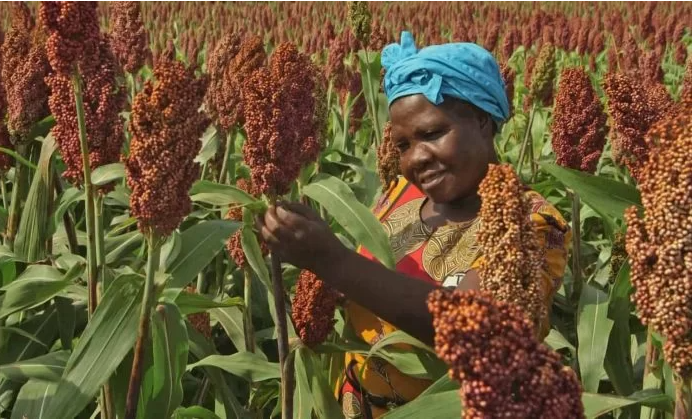
- Drought-tolerant maize, sorghum, and millet are increasingly available.
- Heat-tolerant and pest-resistant seed varieties supported by African Development Bank programs are helping farmers stabilize yields.
2. Diversify Cropping Systems
- Agroforestry: Integrating trees with crops improves soil fertility, provides shade, and reduces erosion.
- Crop rotation and intercropping: Reduces pest cycles and enhances soil health.
- Cover crops: Protect soil during off-seasons and improve organic matter.
3. Improve Soil Stewardship
- Regular soil testing to optimize fertilizer use.
- Incorporating organic matter (compost, manure) to boost water retention.
- Promoting conservation agriculture (minimum tillage, mulching) to reduce erosion.
4. Harness Digital & AI Tools
- Mobile apps for weather forecasting and pest alerts.
- AI-powered advisory services (like Hurudza Plus App integrations) to guide farmers on crop choices and management.
- Satellite monitoring for real-time crop health assessment.
5. Water Management Innovations
- Climate-smart irrigation systems (drip irrigation, solar pumps) reduce water waste.
- Rainwater harvesting and small reservoirs ensure water availability during dry spells.
📈 Benefits for Farmers
- Higher yields even under drought or heat stress.
- Reduced losses from pests and diseases.
- Improved incomes through access to resilient markets and value chains.
- Enhanced food security for households and communities.
🌍 Zimbabwe & Regional Context
In Zimbabwe, where rainfall is highly variable, sorghum, millet, and drought-tolerant maize are critical for resilience. Farmers in Midlands and Matabeleland regions are already adopting conservation agriculture and agroforestry to cope with erratic rains. These practices are scalable across Africa, making them relevant for both local and global readers.

DONATE & HELP FEED THE WORLD- PRESS THE LINK BELOW AND DONATE- https://www.paypal.com/donate/?hosted_button_id=XBTLE4H5G322N
Your support helps AgriHelpAfrica share sustainable farming practices with the world, one post at a time. Together, we can cultivate resilience, empower farmers, and grow a future where agriculture thrives and feed’s the world .
 AGRIHELPAFRICA
Leave a comment