Predictive Analytics for Crop Yields: Farming with Foresight
🌱 What is Predictive Analytics in Agriculture?
Predictive analytics uses data, algorithms, and machine learning models to forecast future outcomes. In agriculture, it means analyzing weather patterns, soil health, crop growth stages, and market trends to predict yields before harvest. This empowers farmers to make informed decisions, reduce risks, and maximize productivity.
📊 How Predictive Analytics Works for Crop Yields
- Data collection: Sensors, drones, satellites, and farm machinery gather information on soil moisture, nutrient levels, and crop health.
- Weather integration: Historical and real-time climate data help anticipate droughts, floods, or heatwaves.
- Machine learning models: Algorithms process vast datasets to identify patterns and predict yield outcomes.
- Decision support: Farmers receive actionable insights—when to irrigate, fertilize, or harvest—for optimal results.
🚀 Benefits for Farmers
- Yield forecasting: Accurate predictions help farmers plan storage, logistics, and market sales.
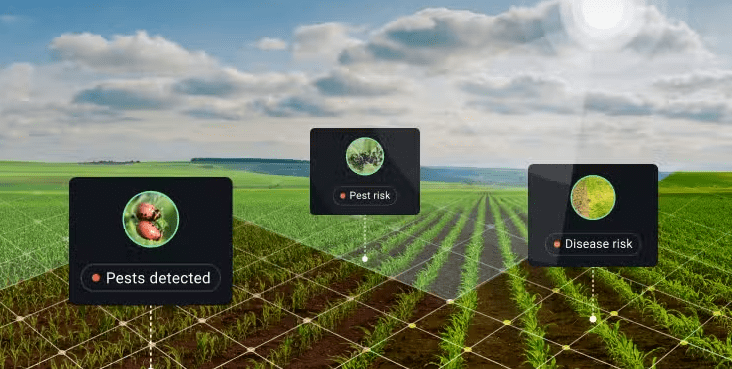
- Risk reduction: Early warnings about pests, diseases, or climate stress allow proactive measures.
- Resource efficiency: Optimized use of water, fertilizer, and pesticides lowers costs and environmental impact.
- Financial planning: Predictive insights support loan applications, insurance claims, and investment decisions.
- Market advantage: Farmers can align production with demand, reducing waste and improving profits.
🌍 Global Applications
- United States: AI-driven platforms forecast corn and soybean yields, guiding national food supply chains.
- India: Mobile apps provide smallholder farmers with yield predictions based on local weather and soil data.
- Africa: Predictive analytics supports food security by helping governments anticipate shortages and plan imports.
- Europe: Smart farming systems integrate satellite imagery with predictive models for wheat and barley yields.
⚖️ Challenges Ahead
- Data accessibility: Smallholder farmers may lack access to sensors and digital tools.
- Cost barriers: Advanced analytics platforms can be expensive to implement.
- Accuracy limits: Predictions depend on data quality; poor inputs lead to unreliable forecasts.
- Digital divide: Connectivity issues in rural areas hinder adoption.
🌟 The Future Vision
Predictive analytics is transforming agriculture into a data-driven industry. Imagine farms where every seed planted is backed by predictive models, every harvest is anticipated months in advance, and every farmer has the foresight to adapt to changing conditions. By harnessing predictive analytics, agriculture can become more resilient, efficient, and profitable—feeding the world with confidence.

DONATE & HELP FEED THE WORLD- PRESS THE LINK BELOW AND DONATE- https://www.paypal.com/donate/?hosted_button_id=XBTLE4H5G322N
Your support helps AgriHelpAfrica share sustainable farming practices with the world, one post at a time. Together, we can cultivate resilience, empower farmers, and grow a future where agriculture thrives and feed’s the world .
 AGRIHELPAFRICA
Leave a comment