🌱 Blockchain in Agriculture Supply Chains: Unlocking Transparency and Trust
1. Why Blockchain Matters in Agriculture
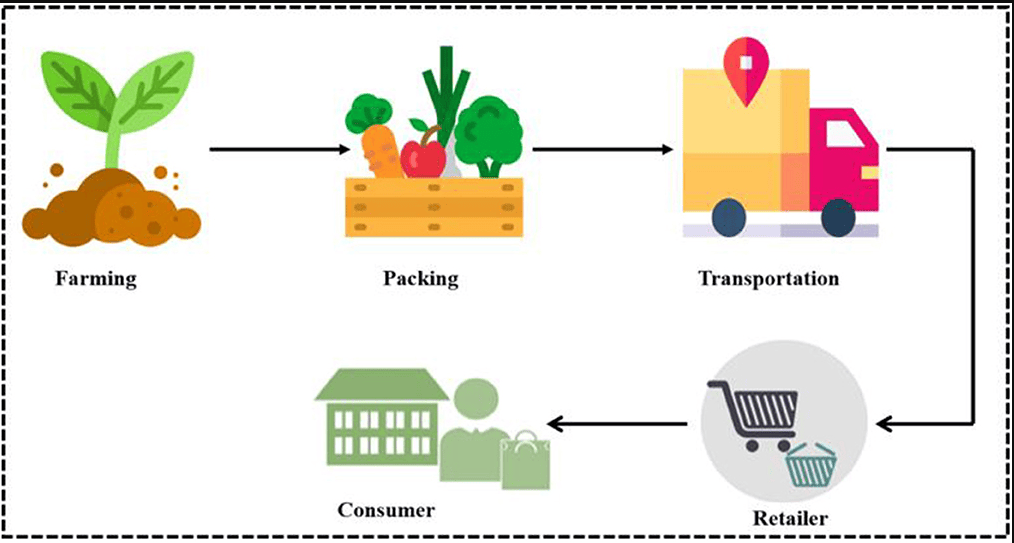
- Traceability: Blockchain records every step of a product’s journey, from planting to retail, ensuring authenticity and food safety.
- Fraud Reduction: Immutable records prevent tampering, reducing counterfeit seeds, fertilizers, and mislabeled exports.
- Efficiency: Smart contracts automate payments and logistics, cutting delays and middlemen costs.
- Consumer Trust: Shoppers can scan QR codes to verify origin, farming practices, and certifications.
2. Key Use Cases in 2026
- Food Safety & Quality Assurance: Blockchain helps track contamination sources quickly, minimizing recalls.
- Export Certification: African farmers can prove organic or fair-trade compliance digitally, easing entry into EU and US markets.
- Microfinance & Payments: Farmers receive instant payments via blockchain-based platforms, reducing reliance on cash.
- Climate-Smart Agriculture: Carbon credits and sustainability metrics are logged transparently, supporting green financing.
3. Global Market Growth
- The blockchain-based agriculture industry grew by 27% annually leading into 2026, driven by demand for digital traceability.
- Major applications include product tracking, payment settlement, and governance compliance.
- Regional hubs in Europe, Asia, and Africa are leading adoption, with startups offering blockchain-enabled logistics and certification services.
4. Benefits for African Farmers
- Export Opportunities: Blockchain helps Zimbabwean and African farmers meet strict EU/US import standards.
- Fair Pricing: Transparent records reduce exploitation by middlemen, ensuring farmers get paid fairly.
- Market Access: Smallholders can join digital cooperatives, making their produce visible to global buyers.
- Digital Identity: Farmers build reputations through verified blockchain records, attracting investors and buyers.
5. Challenges to Adoption
- Infrastructure Gaps: Rural areas need better internet and mobile penetration.
- Cost of Implementation: Blockchain platforms require initial investment and training.
- Regulatory Frameworks: Governments must align policies to support blockchain-based trade.
- Farmer Training: Digital literacy is essential to maximize benefits.
✨ Conclusion
Blockchain is no longer a futuristic concept—it’s a practical tool reshaping agriculture supply chains in 2026. By ensuring transparency, reducing fraud, and opening new export opportunities, it empowers farmers while giving consumers confidence in what they eat. For Africa, embracing blockchain could mean transforming agriculture into a globally competitive, sustainable industry.

DONATE & HELP FEED THE WORLD- PRESS THE LINK BELOW AND DONATE- https://www.paypal.com/donate/?hosted_button_id=XBTLE4H5G322N
Your support helps AgriHelpAfrica share sustainable farming practices with the world, one post at a time. Together, we can cultivate resilience, empower farmers, and grow a future where agriculture thrives and feed’s the world .


Leave a Reply