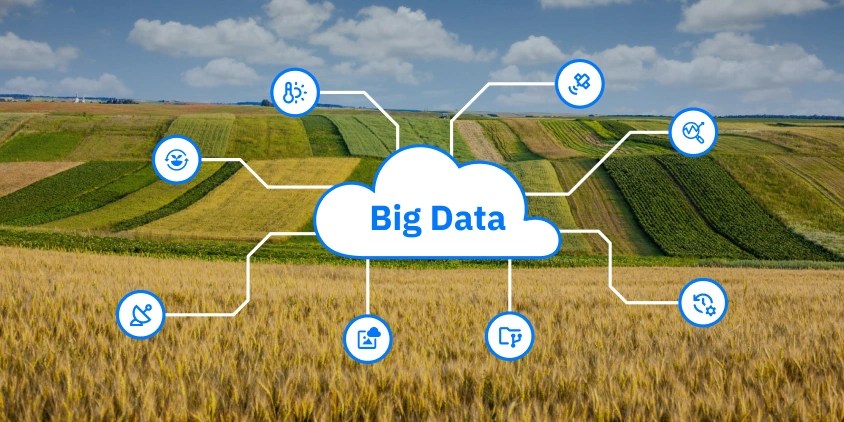
Big Data in Agriculture: Cultivating Smarter Farms
🌱 What is Big Data in Agriculture?
Big data in agriculture refers to the collection, analysis, and application of massive datasets generated from farming activities. These datasets include information from sensors, drones, satellites, weather stations, and farm machinery. By analyzing this data, farmers and agribusinesses can make smarter, more precise decisions that improve productivity, sustainability, and profitability.
📊 How Big Data is Transforming Farming
- Precision agriculture: Farmers use GPS-guided equipment and sensor data to apply water, fertilizer, and pesticides exactly where needed, reducing waste.
- Predictive analytics: Weather forecasts, soil health data, and crop growth models help farmers anticipate challenges and plan ahead.
- Supply chain optimization: Data-driven insights streamline logistics, ensuring crops reach markets faster and with less spoilage.
- Risk management: Big data helps farmers assess risks from climate change, pests, and market fluctuations, enabling better insurance and financial planning.
- Resource efficiency: Smart irrigation systems powered by data reduce water usage while maintaining yields.
🚀 Benefits of Big Data in Agriculture
- Higher yields: Optimized planting and harvesting schedules boost productivity.
- Cost savings: Efficient resource use lowers input costs.
- Sustainability: Reduced chemical use and smarter water management protect the environment.
- Market access: Farmers can align production with consumer demand trends.
- Empowerment: Smallholder farmers gain access to insights previously available only to large agribusinesses.
🌍 Global Examples
- United States: Farmers use satellite imagery and AI to monitor crop health in real time.
- India: Mobile apps provide smallholder farmers with weather forecasts and market price updates.
- Europe: Smart tractors and drones collect field data to optimize planting and harvesting.
- Africa: Big data platforms help farmers access credit and insurance by tracking farm performance.
⚖️ Challenges Ahead
- Data ownership: Farmers must retain control over their data to avoid exploitation.
- Digital divide: Limited internet access in rural areas hinders adoption.
- Cost barriers: Advanced tools and analytics can be expensive for small-scale farmers.
- Privacy concerns: Secure systems are needed to protect sensitive farm data.
🌟 The Future Vision
Big data is turning agriculture into a knowledge-driven industry. Imagine farms where every seed planted is guided by predictive analytics, every drop of water is optimized by sensors, and every harvest is forecasted with precision. By harnessing big data, agriculture can become more resilient, sustainable, and profitable—feeding the world while protecting the planet.

DONATE & HELP FEED THE WORLD- PRESS THE LINK BELOW AND DONATE- https://www.paypal.com/donate/?hosted_button_id=XBTLE4H5G322N
Your support helps AgriHelpAfrica share sustainable farming practices with the world, one post at a time. Together, we can cultivate resilience, empower farmers, and grow a future where agriculture thrives and feed’s the world .
 AGRIHELPAFRICA
Leave a comment