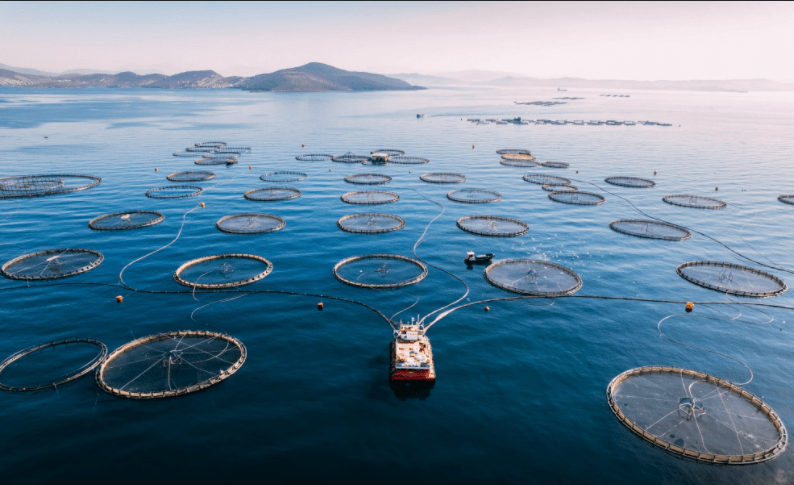
Aquaculture and Fish Farming: Feeding the World Sustainably
🌊 What is Aquaculture?
Aquaculture is the controlled cultivation of aquatic organisms—fish, shellfish, and even seaweed—for food and other products. Often referred to as “fish farming,” it has become one of the fastest-growing food production sectors worldwide. With wild fish stocks under pressure from overfishing and climate change, aquaculture offers a sustainable alternative to meet rising global demand for protein.
🐟 Why Fish Farming Matters
- Food security: Fish is a vital source of protein for billions of people, especially in coastal and developing regions.
- Sustainability: Farming fish reduces pressure on wild fisheries, helping conserve marine ecosystems.
- Economic growth: Aquaculture creates jobs in rural and coastal communities.
- Health benefits: Fish provide essential nutrients like omega-3 fatty acids, crucial for human health.
🚀 Innovations in Aquaculture
- Recirculating aquaculture systems (RAS): Closed-loop systems recycle water, reducing waste and environmental impact.
- Integrated multi-trophic aquaculture (IMTA): Fish, shellfish, and seaweed are farmed together, mimicking natural ecosystems.
- Digital monitoring: Sensors and AI track water quality, fish health, and feeding efficiency.
- Alternative feeds: Plant-based and insect protein feeds reduce reliance on wild-caught fishmeal.
- Offshore farming: Floating cages in deeper waters expand production while minimizing coastal impact.
🌍 Global Examples
- China: The world’s largest aquaculture producer, supplying fish to both domestic and global markets.
- Norway: Known for sustainable salmon farming using advanced technology.
- Africa: Countries like Nigeria and Egypt are expanding aquaculture to boost local food security.
- Chile: A major exporter of farmed salmon, balancing economic growth with environmental concerns.
⚖️ Challenges Ahead
- Environmental risks: Poorly managed farms can cause pollution, disease spread, and habitat damage.
- Resource use: Fish farming requires careful management of water, feed, and energy.
- Market access: Small-scale farmers often struggle to compete with industrial producers.
- Regulation: Strong policies are needed to ensure sustainability and protect ecosystems.
🌟 The Future Vision
Aquaculture and fish farming are poised to play a central role in feeding the world sustainably. With innovation, responsible practices, and supportive policies, fish farming can provide nutritious food, protect wild fisheries, and empower communities. Imagine a future where oceans and rivers are healthier because farms supply most of our fish, and where aquaculture hubs become engines of local prosperity.

DONATE & HELP FEED THE WORLD- PRESS THE LINK BELOW AND DONATE- https://www.paypal.com/donate/?hosted_button_id=XBTLE4H5G322N
Your support helps AgriHelpAfrica share sustainable farming practices with the world, one post at a time. Together, we can cultivate resilience, empower farmers, and grow a future where agriculture thrives and feed’s the world .
 AGRIHELPAFRICA
Leave a comment