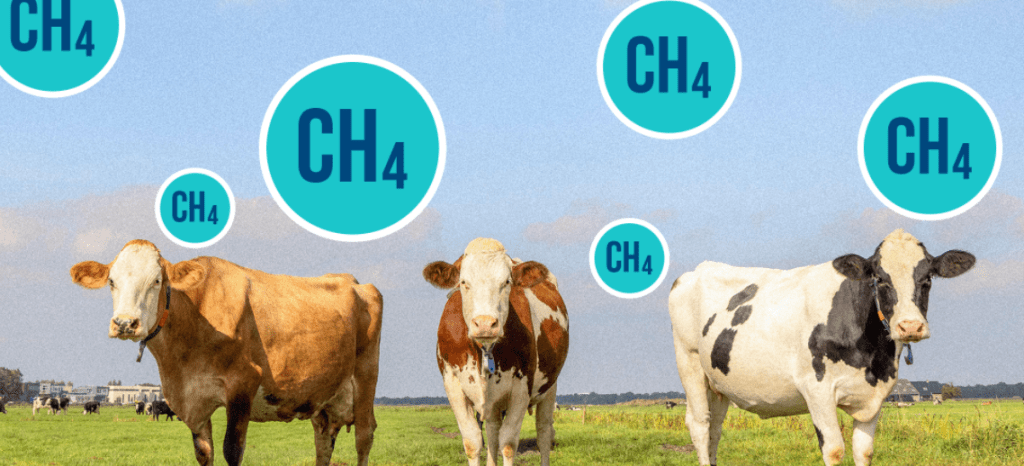
Livestock and Methane Reduction: Building a Climate-Smart Future
🐄 Why Methane Matters
Methane is a potent greenhouse gas, with a warming potential more than 25 times greater than carbon dioxide over a 100-year period. Livestock—especially cattle, sheep, and goats—are major contributors, releasing methane primarily through enteric fermentation (digestion) and manure management. Addressing livestock emissions is critical to achieving global climate goals while ensuring food security.
🌱 Strategies for Methane Reduction in Livestock
- Improved feed efficiency: Adjusting diets with additives like seaweed, oils, or probiotics can reduce methane produced during digestion.
- Breeding for low-emission animals: Genetic selection can identify livestock with naturally lower methane outputs.
- Manure management: Techniques such as anaerobic digesters capture methane from manure and convert it into renewable energy.
- Pasture management: Rotational grazing and planting methane-mitigating forage crops improve soil health and reduce emissions.
- Precision livestock farming: Sensors and AI tools monitor animal health and optimize feeding, reducing waste and emissions.
🚀 Benefits Beyond Climate
- Energy generation: Captured methane can be used to produce biogas, powering farms and local communities.
- Economic opportunities: Farmers can earn carbon credits by adopting methane-reducing practices.
- Animal health: Improved diets and management often lead to healthier, more productive livestock.
- Sustainability branding: Producers gain market advantages by aligning with eco-conscious consumers.
🌍 Global Examples
- New Zealand: Research into seaweed-based feed additives shows promising methane reductions in cattle.
- Denmark: Large-scale biogas plants integrate manure from farms into renewable energy systems.
- Kenya: Smallholder farmers adopt rotational grazing and improved fodder crops to cut emissions.
- Australia: Genetic research focuses on breeding cattle with lower methane emissions.
⚖️ Challenges Ahead
- Cost barriers: Feed additives and digesters require upfront investment.
- Adoption rates: Smallholder farmers may struggle to access new technologies.
- Verification: Measuring methane reductions accurately is complex and resource-intensive.
- Policy frameworks: Governments must incentivize adoption through subsidies, carbon markets, and education.
🌟 The Future Vision
Livestock will remain central to global diets, but their role in climate change cannot be ignored. By combining science, technology, and policy support, methane reduction strategies can transform livestock farming into a climate-smart sector. Imagine farms where cows not only produce milk and meat but also contribute to renewable energy and carbon-neutral food systems.

DONATE & HELP FEED THE WORLD- PRESS THE LINK BELOW AND DONATE- https://www.paypal.com/donate/?hosted_button_id=XBTLE4H5G322N
Your support helps AgriHelpAfrica share sustainable farming practices with the world, one post at a time. Together, we can cultivate resilience, empower farmers, and grow a future where agriculture thrives and feed’s the world .
 AGRIHELPAFRICA
Leave a comment