
DONATE & HELP FEED THE WORLD- PRESS THE LINK BELOW AND DONATE- https://www.paypal.com/donate/?hosted_button_id=XBTLE4H5G322N
Your support helps AgriHelpAfrica share sustainable farming practices with the world, one post at a time. Together, we can cultivate resilience, empower farmers, and grow a future where agriculture thrives and feed’s the world .
Vertical Farming in Megacities: Feeding the Future
🌆 The Rise of Megacities
Megacities—urban centers with populations exceeding ten million—are rapidly becoming the dominant human habitat. With this growth comes pressing challenges: food security, environmental sustainability, and logistical complexities in transporting food from rural farms to urban tables. Traditional agriculture struggles to keep pace with these demands, especially as climate change and land scarcity intensify.
🌱 What is Vertical Farming?
Vertical farming is the practice of cultivating crops in vertically stacked layers, often within controlled indoor environments. Using technologies like hydroponics, aeroponics, and LED lighting, vertical farms can produce food year-round, independent of weather conditions. This approach drastically reduces the need for arable land and minimizes “food miles,” cutting down greenhouse gas emissions.
🚀 Why Megacities Need Vertical Farming
- Space efficiency: Land is scarce in megacities, and vertical farming maximizes limited urban space.
- Food security: Localized production ensures reliable access to fresh produce.
- Sustainability: Controlled environments reduce water usage and pesticide reliance.
- Reduced carbon footprint: Shorter supply chains mean fewer emissions from transportation.
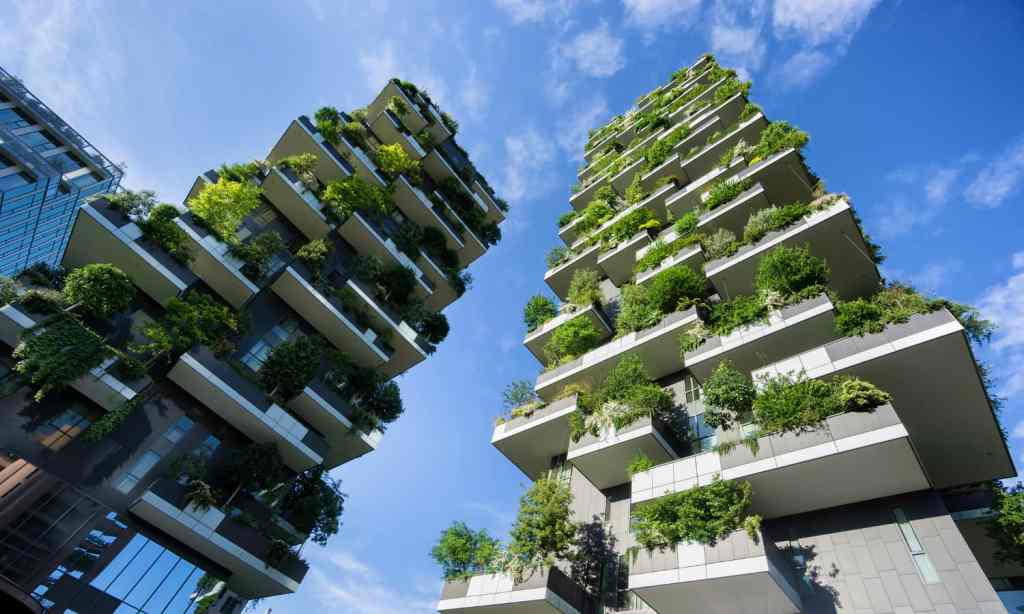
- Urban greening: Farms integrated into cityscapes contribute to healthier, greener environments.
🌍 Global Examples
- Singapore: Pioneering vertical farms to reduce dependence on imports.
- Tokyo: Office buildings hosting indoor farms for employees.
- New York City: Warehouses converted into vertical farms supplying local restaurants.
⚖️ Challenges Ahead
While promising, vertical farming faces hurdles:
- High energy costs: LED lighting and climate control demand significant electricity.
- Initial investment: Infrastructure setup is expensive compared to traditional farming.
- Scalability: Meeting the demands of millions requires large-scale adoption.
- Policy support: Governments must incentivize innovation and provide regulatory frameworks.
🌟 The Future Vision
Imagine skyscrapers doubling as food towers, producing lettuce, herbs, and strawberries right where people live. Vertical farming could transform megacities into self-sufficient ecosystems, reducing reliance on distant farmlands and creating resilient urban food systems.
DONATE & HELP FEED THE WORLD- PRESS THE LINK BELOW AND DONATE- https://www.paypal.com/donate/?hosted_button_id=XBTLE4H5G322N
Your support helps AgriHelpAfrica share sustainable farming practices with the world, one post at a time. Together, we can cultivate resilience, empower farmers, and grow a future where agriculture thrives and feed’s the world .
 AGRIHELPAFRICA
Leave a comment