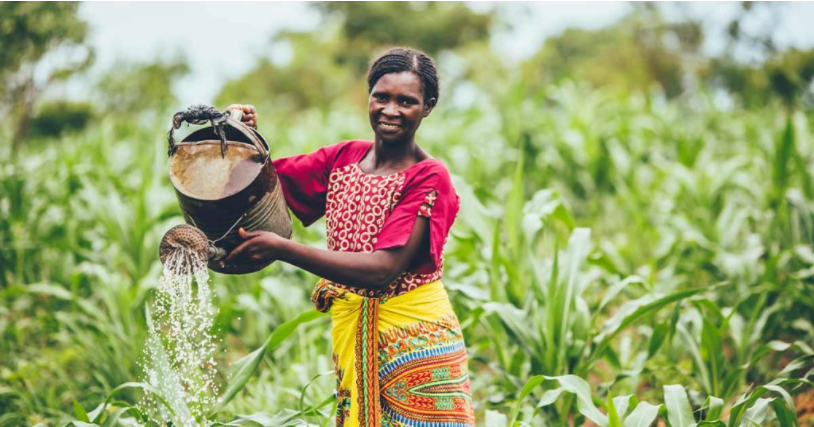

DONATE & HELP FEED THE WORLD- PRESS THE LINK BELOW AND DONATE- https://www.paypal.com/donate/?hosted_button_id=XBTLE4H5G322N
Your support helps AgriHelpAfrica share sustainable farming practices with the world, one post at a time. Together, we can cultivate resilience, empower farmers, and grow a future where agriculture thrives and feed’s the world .
🌱 Water Scarcity Solutions in Farming
Why Water Scarcity Matters
- Agriculture consumes about 70% of global freshwater withdrawals—making it the sector most vulnerable to water shortages.
- Climate change, erratic rainfall, and growing populations are intensifying the pressure on farmers to produce more with less water.
- For regions like Southern Africa, where droughts are frequent, adopting water-smart farming is not optional—it’s essential for food security.
💧 Key Solutions Farmers Can Adopt
1. Precision Irrigation
- Drip irrigation delivers water directly to plant roots, reducing evaporation and runoff.
- Smart sensors monitor soil moisture and automate irrigation schedules, ensuring crops get water only when needed.
- Benefits: Saves up to 30–50% of water compared to traditional flood irrigation.
2. Rainwater Harvesting
- Collecting and storing rainwater in tanks or ponds provides a backup supply during dry spells.
- Farmers can integrate harvested water into irrigation systems, reducing dependence on boreholes or rivers.
- Especially effective in areas with seasonal rainfall patterns.
3. Drought-Resistant Crops
- Planting climate-resilient varieties that require less water helps maintain yields under stress.
- Examples include sorghum, millet, and improved maize hybrids adapted for dry conditions.
- These crops also improve food security in drought-prone regions.
4. Soil Moisture Management
- Techniques like mulching and cover cropping reduce evaporation and improve soil water retention.
- Conservation tillage minimizes soil disturbance, keeping moisture locked in.
- Healthy soils act like sponges, storing water for longer periods.
5. Water Recycling & Reuse
- Treated wastewater from households or industries can be safely reused for irrigation.
- Greywater systems are increasingly being adopted in peri-urban farming setups.
📊 Comparison of Solutions
| Solution | Water Savings | Cost Level | Best Use Case |
|---|---|---|---|
| Precision Irrigation | 30–50% | Medium | High-value crops (vegetables, fruits) |
| Rainwater Harvesting | 20–40% | Low–Medium | Seasonal rainfall regions |
| Drought-Resistant Crops | 15–30% | Low | Staple crops in drylands |
| Soil Moisture Management | 10–25% | Low | Smallholder farms |
| Water Recycling | 20–35% | Medium–High | Urban/peri-urban farms |
🌍 Risks & Trade-Offs
- High upfront costs for precision irrigation may deter smallholder farmers.
- Rainwater harvesting depends on rainfall reliability—less effective in arid zones.
- Drought-resistant crops may have lower yields compared to water-intensive varieties.
- Water recycling requires strict safety standards to avoid contamination.
✅ Conclusion
Water scarcity in farming is a pressing issue, but integrated solutions—combining technology, crop choice, and soil management—can make agriculture more resilient. Farmers who adopt these practices not only save water but also secure their livelihoods and contribute to sustainable food systems.
DONATE & HELP FEED THE WORLD- PRESS THE LINK BELOW AND DONATE- https://www.paypal.com/donate/?hosted_button_id=XBTLE4H5G322N
Your support helps AgriHelpAfrica share sustainable farming practices with the world, one post at a time. Together, we can cultivate resilience, empower farmers, and grow a future where agriculture thrives and feed’s the world .
 AGRIHELPAFRICA
Leave a comment