
DONATE & HELP FEED THE WORLD- PRESS THE LINK BELOW AND DONATE- https://www.paypal.com/donate/?hosted_button_id=XBTLE4H5G322N
Your support helps AgriHelpAfrica share sustainable farming practices with the world, one post at a time. Together, we can cultivate resilience, empower farmers, and grow a future where agriculture thrives and feed’s the world .
Insect Farming for Protein: The Future of Sustainable Nutrition
🐛 Why Insects?
Insects have been consumed for centuries in many cultures, but modern science is now spotlighting their potential as a mainstream protein source. They offer:
- High protein content: Comparable to beef, chicken, and fish.
- Rich in micronutrients: Including iron, zinc, and B vitamins.
- Efficient feed conversion: Insects require far less feed, water, and land than livestock.
- Low greenhouse gas emissions: Making them climate-friendly protein producers.
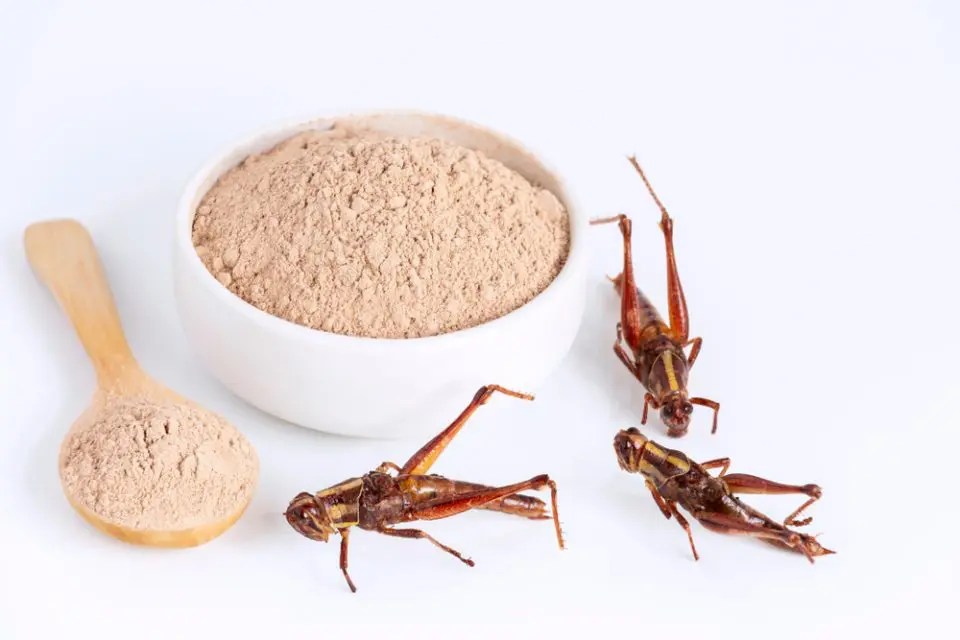
Common edible insects include crickets, mealworms, black soldier flies, and grasshoppers—each with unique nutritional profiles and farming advantages.
🌍 Environmental Benefits
Insect farming is a game-changer for sustainable agriculture:
- Minimal land use: Vertical farming allows high-density production.
- Waste upcycling: Insects can feed on organic waste, converting it into protein.
- Reduced water use: Insects need significantly less water than cattle or poultry.
- Lower emissions: Studies show up to 100x fewer greenhouse gases than traditional livestock.
🍽️ Applications in Food and Feed
Insects are being integrated into:
- Human food: Protein bars, powders, snacks, and even pasta made from cricket flour.
- Animal feed: Insect meal is used in aquaculture, poultry, and pet food.
- Functional foods: Research shows bioactive compounds in insects may support gut health and immunity.
⚖️ Benefits vs. Challenges
| Aspect | Benefits | Challenges |
|---|---|---|
| Nutrition | High-quality protein and essential nutrients | Allergen risks for some consumers |
| Sustainability | Low resource use and emissions | Scaling production and maintaining hygiene standards |
| Market potential | Growing interest in health and eco-conscious diets | Cultural resistance and consumer acceptance |
| Economic viability | Low startup costs and potential for rural income generation | Regulatory hurdles and lack of standardized safety protocols |
🔮 The Road Ahead
Global interest in insect protein is rising, with startups, researchers, and governments investing in scalable insect farming systems. In Africa, Asia, and Europe, insect farms are being used to combat malnutrition, reduce food waste, and create new economic opportunities.
As awareness grows and regulations evolve, insect protein could become a staple in both human and animal diets, especially in regions facing climate stress and food insecurity.
Insect farming isn’t just a quirky trend—it’s a practical, scalable solution to feed the future. Whether in protein bars or poultry feed, bugs might just be the key to a more sustainable food system.
DONATE & HELP FEED THE WORLD- PRESS THE LINK BELOW AND DONATE- https://www.paypal.com/donate/?hosted_button_id=XBTLE4H5G322N
Your support helps AgriHelpAfrica share sustainable farming practices with the world, one post at a time. Together, we can cultivate resilience, empower farmers, and grow a future where agriculture thrives and feed’s the world .
 AGRIHELPAFRICA
Leave a comment