
DONATE & HELP FEED THE WORLD- PRESS THE LINK BELOW AND DONATE- https://www.paypal.com/donate/?hosted_button_id=XBTLE4H5G322N
Your support helps AgriHelpAfrica share sustainable farming practices with the world, one post at a time. Together, we can cultivate resilience, empower farmers, and grow a future where agriculture thrives and feed’s the world .
💧 Smart Irrigation Systems: Farming’s Water Revolution in 2026
Water is the lifeblood of agriculture, yet climate change, droughts, and rising demand have made efficient water management more critical than ever. Enter smart irrigation systems—a fusion of technology and sustainability that is reshaping how farmers across the globe grow food.
🌱 What Are Smart Irrigation Systems?
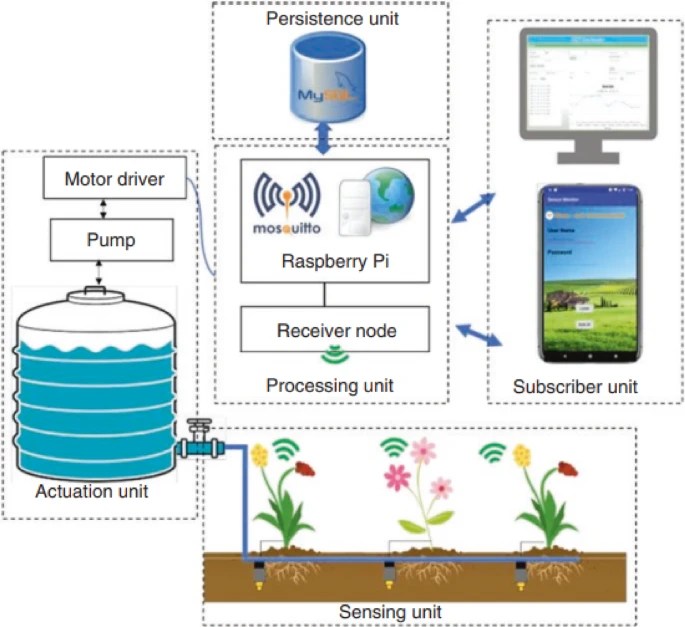
Smart irrigation systems use data-driven technologies—such as sensors, AI, satellite imagery, and mobile apps—to deliver the right amount of water at the right time. Unlike traditional irrigation, which often wastes water, smart systems optimize usage to improve crop yields and conserve resources.
📊 Global Adoption Trends
- 35% of irrigation systems worldwide are smart-tech enabled by 2026.
- AI-powered irrigation solutions manage nearly 40% of farmland water use globally.
- Smallholder farms are increasingly adopting affordable solutions like solar-powered pumps and mobile apps.
- Top innovations include drone-based monitoring, automated drip systems, and satellite-guided water distribution.
🔑 Key Benefits
- Water efficiency: Reduces waste by up to 50% compared to traditional methods.
- Climate resilience: Helps farmers adapt to unpredictable rainfall and droughts.
- Cost savings: Lower energy and water bills through precision management.
- Crop health: Ensures plants receive optimal hydration, boosting yields.
- Accessibility: Affordable sensors and apps make smart irrigation viable for small farms.
⚠️ Challenges & Barriers
- High upfront costs for advanced systems like AI-driven platforms.
- Infrastructure gaps in rural areas limit adoption.
- Farmer training needs—technology requires knowledge transfer to be effective.
- Data dependency—systems rely on connectivity and accurate inputs.
🌍 Future Outlook
By 2030, smart irrigation is expected to become the default standard in many regions, driven by:
- Government incentives for water conservation.
- Integration with climate-smart agriculture policies.
- Expansion of solar-powered and low-cost solutions for smallholder farmers.
- Growing consumer demand for sustainable farming practices.
✨ Conclusion
Smart irrigation systems are not just about saving water—they’re about securing the future of farming. With AI, sensors, and renewable energy, farmers can grow more food with fewer resources, making agriculture more resilient and sustainable in the face of climate change.
DONATE & HELP FEED THE WORLD- PRESS THE LINK BELOW AND DONATE- https://www.paypal.com/donate/?hosted_button_id=XBTLE4H5G322N
Your support helps AgriHelpAfrica share sustainable farming practices with the world, one post at a time. Together, we can cultivate resilience, empower farmers, and grow a future where agriculture thrives and feed’s the world .
 AGRIHELPAFRICA
Leave a comment