🌱 Climate-Smart Farming Practices for 2026
As we step into 2026, agriculture faces unprecedented challenges: rising global temperatures, unpredictable rainfall, and a population nearing 8 billion. Farmers worldwide are adopting climate-smart practices to ensure food security while reducing environmental impact. Below is a comprehensive look at the strategies shaping the future of farming.
🔑 Key Practices for 2026
- Soil health management: Techniques like cover cropping, crop rotation, and biochar application improve fertility and carbon sequestration.
- Water conservation: Smart irrigation systems and rainwater harvesting can cut water usage by up to 40%.
- Agroforestry: Integrating trees into farmland enhances biodiversity, reduces erosion, and provides shade for crops.
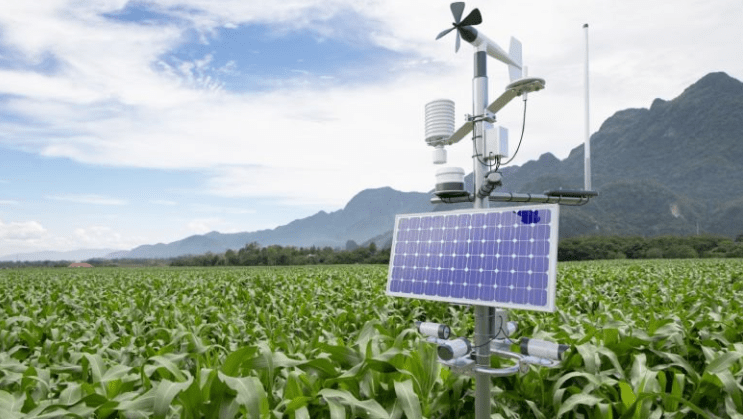
- Precision agriculture: AI-driven sensors, drones, and satellite monitoring optimize fertilizer and pesticide use, reducing waste.
- Renewable energy adoption: Solar-powered irrigation and wind energy reduce reliance on fossil fuels.
- Climate-resilient crops: Breeding drought-tolerant and flood-resistant varieties ensures stable yields.
- Sustainable livestock practices: Improved feed efficiency and methane-reducing supplements lower emissions from animal farming.
- Circular food systems: Recycling agricultural waste into compost or bioenergy strengthens sustainability.
📊 Comparison of Practices
| Practice | Benefit | Challenge |
|---|---|---|
| Soil health | Boosts fertility, stores carbon | Requires consistent monitoring |
| Water conservation | Cuts usage by 40% | High initial investment |
| Agroforestry | Enhances biodiversity | Longer time to see results |
| Precision agriculture | Reduces waste, increases yields | Tech access may be limited |
| Renewable energy | Cuts emissions, lowers costs long-term | Infrastructure costs |
| Resilient crops | Stable yields under stress | Breeding takes time |
| Sustainable livestock | Reduces methane emissions | Adoption varies globally |
| Circular systems | Minimizes waste | Requires coordination |
⚠️ Risks & Challenges
- High upfront costs for technology and infrastructure.
- Knowledge gaps among smallholder farmers.
- Policy and market barriers that slow adoption.
- Climate extremes that may outpace adaptation efforts.
🌍 Why It Matters
By 2026, climate-smart farming is not just an option—it’s a necessity. These practices can reduce emissions, conserve resources, and build resilience against climate shocks. The future of food depends on how quickly and effectively these methods are scaled across regions.

DONATE & HELP FEED THE WORLD- PRESS THE LINK BELOW AND DONATE- https://www.paypal.com/donate/?hosted_button_id=XBTLE4H5G322N
Your support helps AgriHelpAfrica share sustainable farming practices with the world, one post at a time. Together, we can cultivate resilience, empower farmers, and grow a future where agriculture thrives and feed’s the world .
PLEASE BUY ONE OF OUR FARMING MANUAL’S AND HELP FEED THE WORLD……
 AGRIHELPAFRICA
Leave a comment