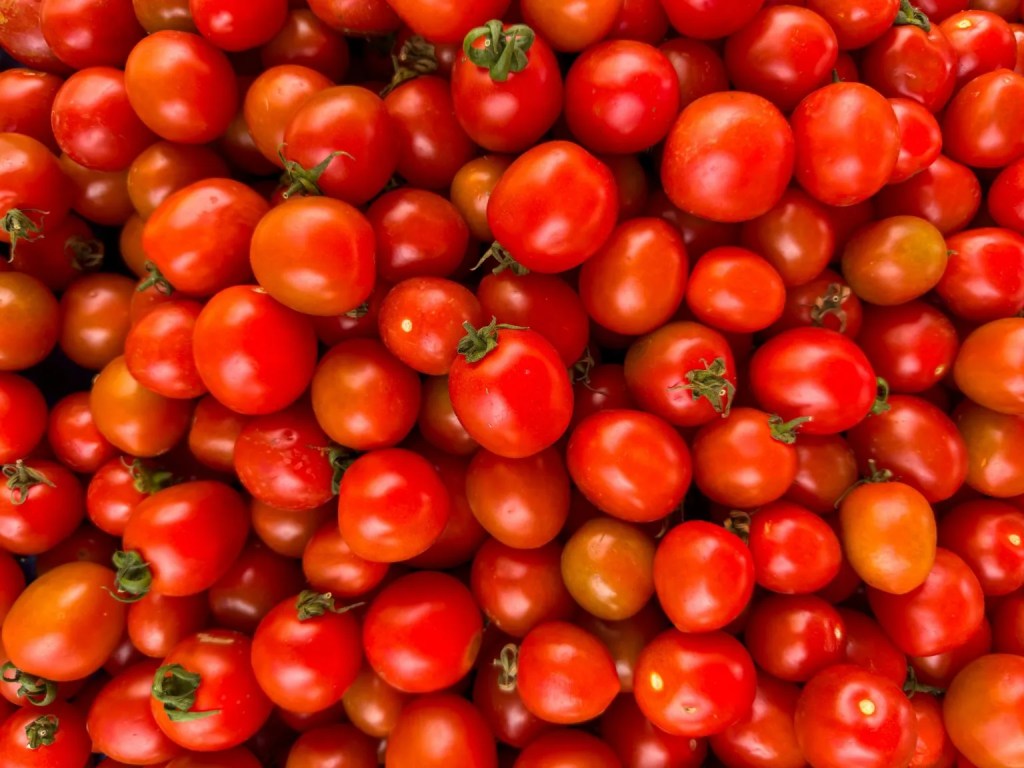
How to Grow Tomatoes for Profit: A Complete Guide for African Farmers
Tomatoes are one of the most profitable horticultural crops in Africa. Demand is high all year round — from households, supermarkets, restaurants, vendors, and food processors. With the right planning and good management, tomato farming can generate consistent income for smallholder and commercial farmers alike.
This guide breaks down everything you need to know to grow tomatoes for profit, not just for consumption.
🍅 1. Choose the Right Tomato Variety
Your profit starts with the seed. Select varieties that match your climate, market demand, and disease pressure.
Popular profitable varieties
- Hybrid varieties: Star 903 F1, Anna F1, Tylka F1, Rio Grande
- Open-pollinated varieties: Rodade, Roma VF
What to consider
- High yield potential
- Disease resistance (especially to blight and wilt)
- Shelf life and transportability
- Market preference (round vs. oval, fresh vs. processing)
🌱 2. Prepare Your Land Properly
Tomatoes thrive in well‑drained, fertile soils with good organic matter.
Steps
- Clear the land and remove weeds
- Plough and harrow to achieve a fine tilth
- Add well‑decomposed manure (at least 10 tons per hectare)
- Create raised beds or ridges to improve drainage
Healthy soil = healthy plants = higher profits.
🌿 3. Raise Strong Seedlings
Strong seedlings give you a head start.
How to raise seedlings
- Use a nursery tray or a small seedbed
- Mix soil with compost for nutrition
- Sow seeds 1 cm deep
- Water lightly but regularly
- Provide shade for the first 7–10 days
- Harden seedlings by reducing water before transplanting
Transplant when seedlings are 4–6 weeks old and have 4–6 true leaves.
🚜 4. Transplanting for Maximum Yield
Transplant in the late afternoon to reduce heat stress.
Spacing
- 60 cm between plants
- 90 cm between rows
Apply a basal fertilizer (e.g., NPK 2:3:2 or 10:20:10) during transplanting.
💧 5. Watering and Mulching
Tomatoes need consistent moisture but hate waterlogging.
Best practices
- Water early in the morning
- Use drip irrigation if possible (saves water and boosts yield)
- Mulch with grass, straw, or plastic to reduce evaporation
Irregular watering causes blossom end rot — a major profit killer.
🌼 6. Fertilization Schedule
Tomatoes are heavy feeders.
General feeding guide
- 2 weeks after transplanting: Apply nitrogen-rich fertilizer
- Flowering stage: Apply potassium-rich fertilizer
- Fruit development: Continue potassium for bigger, firmer fruits
Add compost or manure regularly to improve soil structure.
🐛 7. Pest and Disease Management
Tomatoes attract pests — but with good management, you can stay ahead.
Common pests
- Aphids
- Whiteflies
- Cutworms
- Tomato hornworms
Common diseases
- Early and late blight
- Fusarium wilt
- Bacterial spot
Control tips
- Rotate crops
- Use resistant varieties
- Remove infected plants
- Apply recommended pesticides responsibly
- Maintain field hygiene
Healthy plants = higher yields = higher profits.
📦 8. Harvesting and Post-Harvest Handling
Harvest when fruits are firm and mature.
Tips for better prices
- Pick early in the morning
- Sort and grade tomatoes
- Use clean crates (not sacks) to avoid bruising
- Transport carefully to reduce losses
Post-harvest losses can eat up 40% of your profit if not managed well.
💰 9. How to Maximize Profit
Growing tomatoes is one thing — making money is another. Here’s how to boost your income:
Smart profit strategies
- Sell during off-season when prices are high
- Target supermarkets and restaurants for premium prices
- Add value (tomato puree, dried tomatoes)
- Grow hybrids for higher yields
- Use drip irrigation to reduce costs and increase output
- Negotiate contracts before harvesting
A well‑managed tomato farm can produce 20–40 tons per hectare, depending on variety and care.
🌍 Final Thoughts
Tomato farming is one of the most rewarding agribusiness ventures in Africa. With the right variety, good management, and smart marketing, you can turn a small piece of land into a reliable income stream.
If you’re ready to grow tomatoes for profit, start small, learn fast, and scale with confidence.
BUY A FARMING MANUAL GUIDE PRODUCT ON OUR PRODUCT SECTION AND HELP FEED THE WORLD-https://agrihelpafrica.data.blog/products/
DOWNLOAD THE HURUDZA PLUS APP ON THE FOLLOWING LINK AND GET MORE OUT YOUR FARMING-https://www.appcreator24.com/app1994476-8fty24
 AGRIHELPAFRICA
Leave a comment