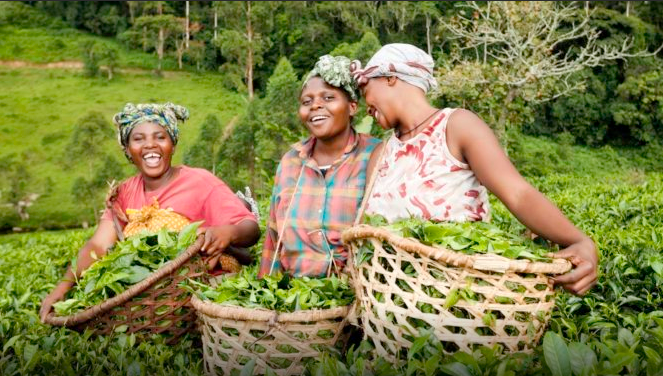
🌍 Introduction: The Invisible Powerhouses
Across Africa, women have long sustained families and communities by tending the land, nurturing crops, and feeding nations. They make up 43% of the agricultural workforce in developing countries and contribute significantly to food production and rural economies. Yet, despite their indispensable role, women often remain invisible in formal agri-food systems, facing barriers to land ownership, financing, and participation in value chainsZAWYA.
🌱 The Role of Women in Agriculture
Women’s contributions span the entire agricultural cycle:
- Production: Planting, weeding, harvesting, and managing smallholder farms.
- Processing & Distribution: Turning raw crops into market-ready products.
- Household Food Security: Ensuring families have nutritious meals.
- Community Leadership: Driving local initiatives and passing down indigenous knowledge.
In many regions, women are the custodians of traditional farming practices, seed preservation, and climate adaptation strategies.
🚧 Barriers Women Face
Despite their central role, women encounter systemic challenges:
- Limited access to land: In South Africa, only 20% of commercial farms are owned by women.
- Financial exclusion: Women farmers often lack access to credit and investment flows.
- Technology gaps: Limited training and resources in modern farming tools and smart agriculture.
- Social barriers: Cultural norms that undervalue women’s labor and decision-making power.
These barriers reduce productivity and hold back Africa’s agricultural potential.
🌟 Emerging Opportunities
The tide is slowly turning as initiatives spotlight women’s role in agriculture:
- Organizations like VOWDA (Voice of Women in the Development of Agriculture) are promoting women in STEM and smart agriculture, linking them to technological innovation.
- Policy reforms and advocacy are pushing for gender-inclusive land rights and access to financing.
- Digital platforms and agri-tech startups are creating opportunities for women to connect, learn, and scale their ventures.
🌾 Why Empowering Women Matters
Empowering women in agriculture is not just about equity—it’s about unlocking Africa’s food future. Studies show that closing the gender gap in farming could increase yields by up to 30%, reduce hunger, and boost GDP. Women farmers are also more likely to reinvest earnings into family health, education, and community development, multiplying the impact of their success.
🌍 Conclusion: Women as Agents of Transformation
Women in agriculture are not passive participants—they are agents of transformation. By dismantling barriers and investing in their potential, Africa can build a resilient, inclusive, and food-secure future. The continent’s agricultural revolution will only succeed if women are at its heart.
POWERED BY HURUDZA PLUS , DOWNLOAD THE HURUDZA PLUS APP HERE – https://www.appcreator24.com/app1994476-8fty24
 AGRIHELPAFRICA
Leave a comment