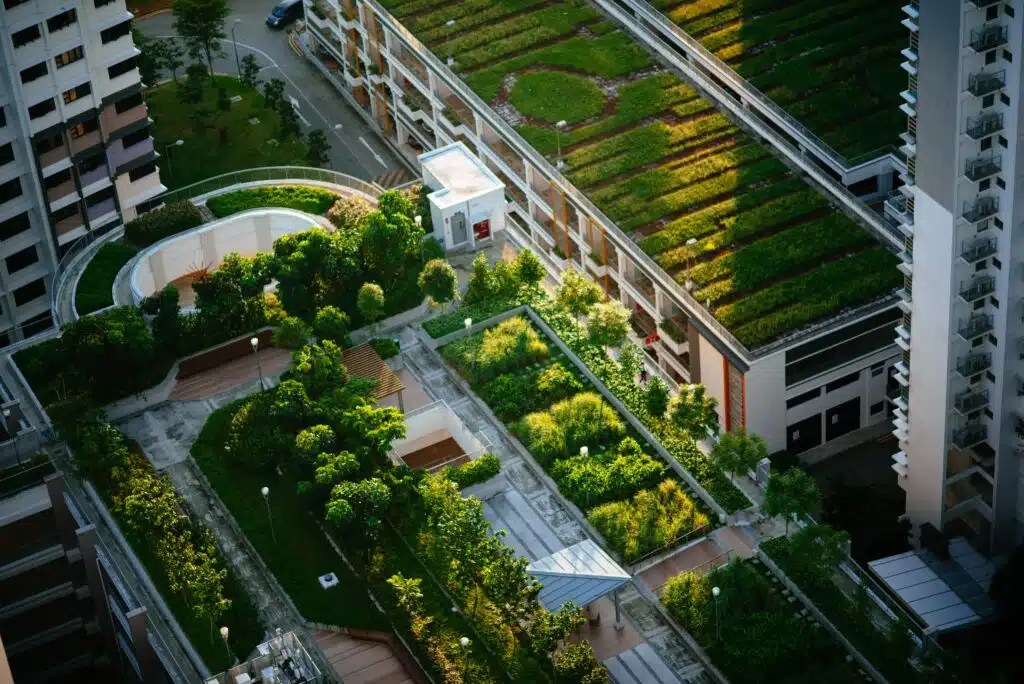
🌍 Introduction: Cities Growing Their Own Food
Africa’s cities are expanding rapidly, with urban populations expected to double by 2050. This growth brings challenges—chief among them, food insecurity. Rising food prices, supply chain disruptions, and limited access to fresh produce leave many urban households vulnerable. Urban farming offers a way forward, turning rooftops, backyards, and vacant lots into productive spaces that feed communities.
🌱 What Is Urban Farming?
Urban farming refers to growing food within city environments, using innovative methods to maximize limited space. Common approaches include:
- Rooftop gardens: Utilizing unused building tops for vegetables and herbs.
- Hydroponics & aquaponics: Soil-free systems that grow crops with nutrient-rich water.
- Vertical farming: Stacking crops in layers to save space and boost yields.
- Community gardens: Shared plots where residents grow food collectively.
🌿 Why Urban Farming Matters for Food Security
- Accessibility: Fresh produce is grown close to consumers, reducing reliance on imports.
- Affordability: Cuts transportation costs, lowering food prices for urban households.
- Nutrition: Provides healthier diets by increasing access to vegetables and fruits.
- Resilience: Strengthens food systems against shocks like pandemics or climate disruptions.
- Employment: Creates jobs in farming, distribution, and agri-tech innovation.
🌟 Case Studies in Africa
- In Nairobi, Kenya, rooftop gardens are helping families supplement their diets and incomes.
- In Johannesburg, South Africa, vertical farms are supplying fresh greens to restaurants and supermarkets.
- In Harare, Zimbabwe, community gardens are empowering women and youth to grow vegetables for both household consumption and local markets.
🚜 Challenges and Opportunities
While urban farming is promising, challenges remain:
- Limited space in dense cities.
- Access to water and technology for hydroponics and vertical farming.
- Policy support to integrate urban farming into city planning.
Opportunities lie in agri-tech startups, government incentives, and community-driven initiatives that make urban farming scalable and sustainable.
🌾 Conclusion: Cities as Food Producers
Urban farming is more than a trend—it’s a lifeline for food security in Africa’s growing cities. By embracing innovative farming methods, communities can reduce hunger, improve nutrition, and build resilient urban food systems. The future of food security may not lie only in rural fields, but in the gardens, rooftops, and vertical farms of our cities.
POWERED BY HURUDZA PLUS , DOWNLOAD HURUDZA PLUS APP HERE – https://www.appcreator24.com/app1994476-8fty24
 AGRIHELPAFRICA
Leave a comment