🌱 Introduction: A New Era in Farming
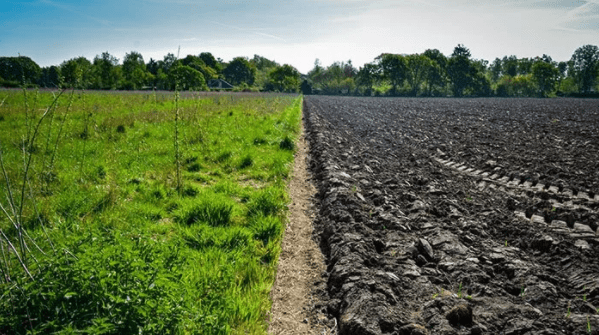
For decades, conventional agriculture has prioritized yield above all else. While this approach fed billions, it also left behind depleted soils, reduced biodiversity, and rising greenhouse gas emissions. Enter regenerative agriculture—a holistic farming philosophy that seeks not only to produce food but to heal the land. From Africa to India to the United States, farmers are embracing practices that restore ecosystems while ensuring long-term productivity.
🌍 What Is Regenerative Agriculture?
Regenerative agriculture is defined by its focus on renewal rather than extraction. Unlike traditional methods that often degrade natural resources, regenerative practices aim to:
- Rebuild soil health through cover crops, composting, and minimal tillage.
- Increase biodiversity by integrating crop rotation, agroforestry, and livestock.
- Enhance water cycles with better soil structure and reduced erosion.
- Capture carbon in soils, helping mitigate climate change.
As one soil scientist put it, “The soil is alive. It is not inert; it is a living material”. This perspective underpins regenerative farming’s emphasis on microbial life and ecosystem balance.
🌾 Why Is It Rising Now?
Several global pressures are driving the rise of regenerative agriculture:
- Climate change: Extreme weather and shifting rainfall patterns demand resilient farming systems.
- Soil degradation: Declining fertility threatens food security, especially in regions like Africa and India.
- Consumer demand: Shoppers increasingly value food grown sustainably, boosting markets for regenerative products.
- Policy and certification: Programs like Regenerative Organic Certified (ROC) are formalizing standards around soil health, animal welfare, and social fairness.
🌿 Benefits for Farmers and Communities
- Higher yields over time: Healthy soils retain nutrients and water, reducing reliance on costly inputs.
- Economic resilience: Diversified systems (e.g., integrating livestock with crops) spread risk.
- Environmental impact: Carbon sequestration and biodiversity restoration combat climate change.
- Social equity: Regenerative models often emphasize fair labor and community empowerment.
🌍 Case Study: Africa’s Regenerative Turn
In Africa, regenerative farming is gaining traction as a solution to declining yields and climate stress. By focusing on soil health, biodiversity, and ecosystem restoration, farmers are not only improving productivity but also reshaping the continent’s agricultural future. This shift offers hope for food security and sustainable livelihoods.
🌟 Conclusion: Farming for the Future
The rise of regenerative agriculture signals a farming revolution. It’s not about abandoning productivity but redefining it—measuring success by the health of soils, ecosystems, and communities. As more farmers, policymakers, and consumers embrace this approach, regenerative agriculture could become the cornerstone of a resilient global food system.
POWERED BY HURUDZA PLUS- DOWNLOAD THE HURUDZA PLUS HERE-https://www.appcreator24.com/app1994476-8fty24
 AGRIHELPAFRICA
Leave a comment