🌍 Introduction: Why Climate-Smart Agriculture Matters
Agriculture is the backbone of Africa’s economy, employing up to 60% of the continent’s workforce and contributing around 20% to GDP in most countries. Yet climate change threatens this foundation. Unpredictable rainfall, prolonged droughts, and floods have already reduced crop yields by up to 81% in some regions, with overall productivity declining by 34% since 1961—the steepest drop worldwide.
Climate-smart agriculture (CSA) offers a pathway forward. It’s not just about growing food; it’s about adapting, mitigating, and thriving in the face of climate challenges.
🌱 What Is Climate-Smart Agriculture?
CSA is built on three interconnected pillars:
- Productivity: Increasing yields sustainably to feed growing populations.
- Resilience: Helping farmers adapt to climate shocks like droughts and floods.
- Mitigation: Reducing greenhouse gas emissions and capturing carbon in soils.
Techniques include:
- Drought-resistant seeds that withstand erratic rainfall.
- Conservation agriculture (minimal tillage, mulching, crop rotation) to protect soil.
- Agroforestry that integrates trees into farms for shade, biodiversity, and carbon storage.
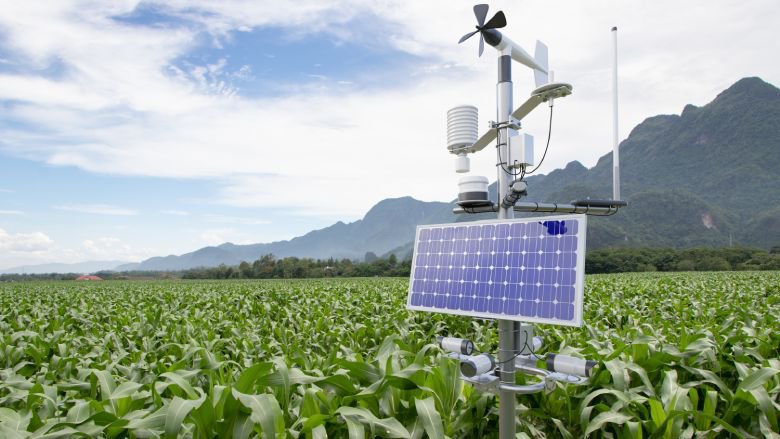
- Precision farming using digital tools to optimize water and fertilizer use.
🚜 CSA in Action Across Africa
Several initiatives are driving CSA adoption:
- The World Bank-backed AICCRA project is investing $40 million to scale CSA technologies in Ethiopia, Ghana, Kenya, Mali, Senegal, and Zambia.
- Farmers are combining traditional knowledge with modern innovations, such as using indigenous drought-tolerant crops alongside IoT-based weather forecasting.
- Community-led programs are teaching smallholder farmers how to diversify crops, reduce reliance on chemical inputs, and build resilience against climate shocks.
🌟 Benefits for Farmers and Communities
- Food security: Stable yields even under unpredictable weather.
- Economic empowerment: Lower input costs and new market opportunities for sustainably grown produce.
- Environmental restoration: Healthier soils, reduced erosion, and improved water cycles.
- Social impact: CSA often emphasizes inclusive approaches, empowering women and youth in agriculture.
🌾 Conclusion: Farming for a Resilient Future
Climate-smart agriculture is more than a buzzword—it’s Africa’s lifeline for food security and climate resilience. By blending innovation with tradition, CSA equips farmers to withstand climate shocks while restoring ecosystems. As adoption spreads, Africa can transform its agricultural sector into a driver of sustainability, resilience, and prosperity.
POWERED BY HURUDZA PLUS, DOWNLOAD THE HURUDZA PLUS APP HERE- https://www.appcreator24.com/app1994476-8fty24
 AGRIHELPAFRICA
Leave a comment