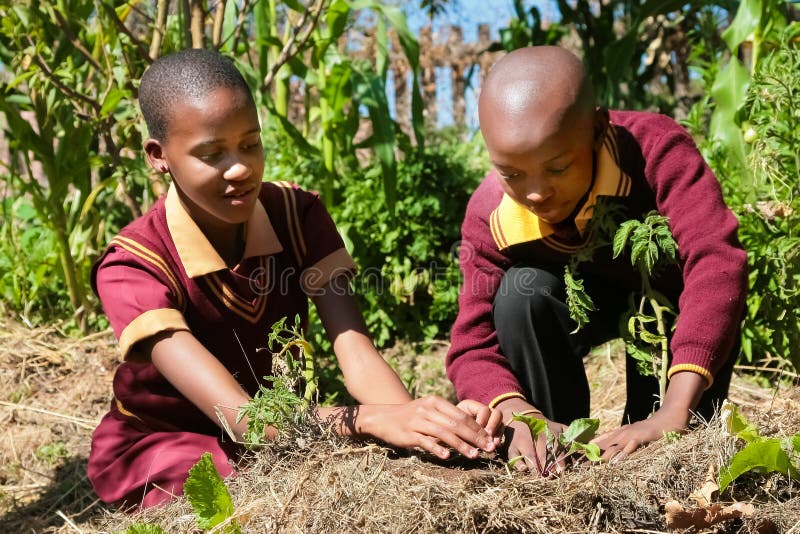
🌍 Why Agriculture Education Is the Key to Africa’s Food Security
Africa is home to over 60% of the world’s uncultivated arable land, yet millions across the continent face chronic food insecurity. The paradox is striking—but solvable. The missing link? Agriculture education.
📚 What Is Agriculture Education?
Agriculture education goes beyond teaching how to plant maize or raise chickens. It encompasses:
- Scientific knowledge of soil, climate, and crop genetics
- Business skills for marketing, budgeting, and scaling agribusinesses
- Technology training in irrigation systems, mobile apps, and precision farming
- Sustainability practices to protect ecosystems and adapt to climate change
It equips farmers, youth, and entrepreneurs with the tools to farm smarter—not just harder.
🌱 How Education Drives Food Security
- Boosts Productivity Educated farmers understand optimal planting times, pest control, and soil management. This leads to higher yields and reduced crop failure.
- Reduces Post-Harvest Losses Training in storage, packaging, and value addition helps preserve food and increase profits.
- Empowers Youth & Women Agriculture education opens doors for young people and women to enter the sector as innovators, not just laborers.
- Promotes Climate Resilience With knowledge of drought-resistant crops and water-saving techniques, farmers can adapt to erratic weather patterns.
- Encourages Agribusiness & Innovation Education fosters entrepreneurship—turning farms into profitable ventures and sparking innovations like mobile crop advisory apps and solar-powered irrigation.
🧠 The Role of Digital Learning
Platforms like Skill Up 24, YouTube farming channels, and WhatsApp farmer groups are revolutionizing access to agriculture education. They offer:
- Localized content in native languages
- Affordable, on-demand training
- Peer-to-peer learning and mentorship
This democratization of knowledge is key to scaling impact across rural and urban communities.
🚀 What Needs to Happen Next?
To unlock the full potential of agriculture education, Africa must:
- Invest in agriculture-focused schools and vocational centers
- Support online learning platforms tailored to local needs
- Encourage public-private partnerships to fund training programs
- Integrate agriculture into primary and secondary school curricula
🌾 Final Thoughts
Food security isn’t just about growing more—it’s about growing smarter. Agriculture education empowers individuals and communities to take control of their food systems, build resilient livelihoods, and transform Africa’s agricultural landscape from subsistence to abundance.
POWERED BY HURUDZA PLUS & TECH UP SOLUTIONS
 AGRIHELPAFRICA
Leave a comment