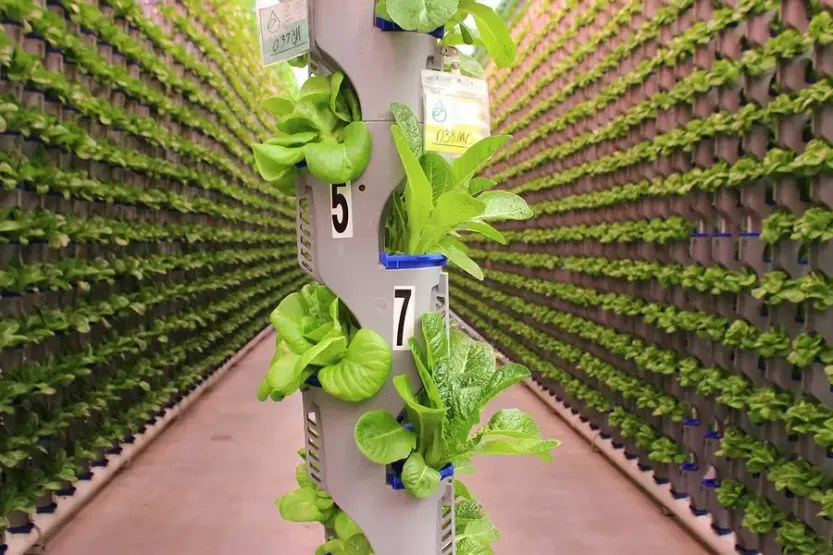
The Vertical Farming Business: Revolutionizing Agriculture in Urban Spaces
As urban populations grow and arable land becomes increasingly scarce, the future of agriculture lies in innovation. Vertical farming has emerged as a transformative solution, allowing crops to be grown in stacked layers within controlled environments. This business model is reshaping agriculture by bringing farms to urban areas, reducing resource consumption, and providing fresh produce year-round.
What is Vertical Farming?
Vertical farming is the practice of growing crops in vertically stacked layers, often in indoor facilities like warehouses, shipping containers, or skyscrapers. Unlike traditional farming, vertical farming uses hydroponic, aquaponic, or aeroponic systems to grow plants without soil. The controlled environment allows for precise regulation of temperature, light, water, and nutrients, maximizing productivity.
The Benefits of Vertical Farming
- Land Efficiency: Vertical farming requires significantly less land compared to traditional farming methods, making it ideal for urban centers with limited space.
- Year-Round Production: Regardless of weather conditions, vertical farms provide consistent yields throughout the year.
- Resource Conservation: These systems use up to 90% less water than traditional farming and minimize the need for chemical fertilizers and pesticides.
- Reduced Food Miles: By growing food closer to urban consumers, vertical farms cut transportation costs and carbon emissions.
- Improved Food Security: Vertical farming ensures a steady supply of fresh produce, even in regions with harsh climates or limited agricultural land.
Key Components of a Vertical Farming Business
- Technology and Infrastructure: Vertical farms rely heavily on technology, including LED grow lights, automated climate control systems, and nutrient delivery mechanisms. Investing in high-quality infrastructure is critical for maximizing efficiency and productivity.
- Crop Selection: Leafy greens, herbs, and microgreens are popular choices for vertical farming due to their fast growth cycles and high market demand. However, advances in technology are making it possible to grow fruits and other crops as well.
- Sustainability Practices: Incorporating renewable energy sources, such as solar panels, and recycling water within the system are essential for reducing environmental impact.
- Marketing and Distribution: Vertical farming businesses often cater to local restaurants, grocery stores, and direct-to-consumer markets. Branding that highlights freshness, sustainability, and local production resonates with eco-conscious consumers.
Challenges in the Vertical Farming Industry
- High Initial Costs: Setting up a vertical farm requires significant investment in infrastructure and technology.
- Energy Consumption: LED lights and climate control systems can lead to high energy usage, although renewable energy sources are mitigating this challenge.
- Skill Requirements: Operating a vertical farm demands expertise in technology, agriculture, and business management.
Success Stories
Several vertical farming businesses have already made a significant impact. For example, AeroFarms in the United States uses advanced aeroponic technology to grow crops with minimal water. In Japan, Spread Co. operates highly efficient vertical farms that supply fresh lettuce to supermarkets nationwide. These success stories demonstrate the viability and scalability of vertical farming as a business model.
The Future of Vertical Farming
As technology continues to advance, the vertical farming industry is poised for growth. Innovations in artificial intelligence, robotics, and renewable energy will enhance efficiency and reduce costs. Additionally, collaborations between governments, private companies, and research institutions are driving the development of policies and funding to support this burgeoning sector.
Conclusion
The vertical farming business represents a bold step toward a sustainable, urban-focused future for agriculture. By addressing challenges like land scarcity, resource depletion, and food insecurity, vertical farming is not just a business opportunity—it’s a pathway to revolutionizing how we feed the world.
POWERED BY TECH UP SOLUTIONS
 AGRIHELPAFRICA
Leave a comment