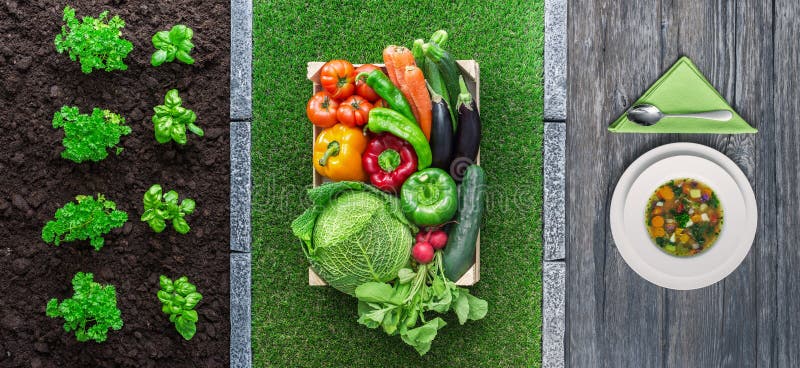
The Journey of Farm-to-Table: Understanding the Story Behind Your Food
In a world where convenience often overshadows curiosity, few people stop to consider the journey their food takes before reaching their plates. From the farmer’s fields to your dining table, every bite has a story—a story shaped by dedication, innovation, and care. Understanding the farm-to-table journey not only fosters appreciation for the food we eat but also empowers us to make informed, sustainable choices.
Step 1: Cultivation
Every journey begins with a seed. Farmers play a pivotal role in cultivating crops or raising livestock, often relying on traditional knowledge blended with modern agricultural techniques. This stage involves careful planning, planting, and nurturing to ensure healthy growth. Challenges like unpredictable weather, pests, and soil health require skill and resilience from farmers to overcome.
Step 2: Harvesting
Once crops have matured or livestock has reached the appropriate stage, it’s time for harvesting. For plant-based foods, this involves picking, cutting, or uprooting produce at peak ripeness to ensure freshness and flavor. Livestock is prepared for processing with the utmost care, ensuring ethical practices are followed.
Step 3: Processing and Packaging
Raw food products often undergo processing to make them market-ready. This can range from simple cleaning and sorting to more complex transformations like milling wheat into flour or processing milk into cheese. Packaging ensures that food remains fresh and safe during transportation.
Step 4: Distribution
The logistics of moving food from farm to market or store is a crucial step in the farm-to-table journey. Modern distribution channels, including cold storage and transportation networks, help reduce food spoilage while ensuring that produce and products reach consumers quickly and efficiently.
Step 5: Retail and Local Markets
Food arrives at grocery stores, supermarkets, farmers’ markets, and local vendors. Increasingly, direct-to-consumer models, such as subscription boxes and community-supported agriculture (CSA), are shortening this step, giving consumers a more direct connection to their food sources.
Step 6: The Consumer’s Table
The final destination in this journey is the consumer’s table. As consumers, we transform raw ingredients into nourishing meals. Understanding the farm-to-table journey allows us to value food more deeply and make choices that support sustainable and ethical agriculture.
Why Farm-to-Table Matters
- Appreciation for Farmers: Recognizing the hard work and dedication behind every meal fosters respect for the agricultural community.
- Sustainability: Shortening the distance between farm and table reduces carbon footprints, minimizes food waste, and supports local economies.
- Health and Quality: Knowing where your food comes from enables you to prioritize fresh, wholesome, and chemical-free options.
Closing the Gap Between Farms and Consumers
The farm-to-table movement is gaining momentum as more people seek a deeper connection to their food. By supporting local farmers, learning about seasonal produce, and asking questions about food origins, consumers can actively participate in this journey and contribute to a more transparent food system.
Conclusion
The journey of farm-to-table is more than just a process—it’s a relationship. It connects farmers, processors, distributors, and consumers in a shared mission to nourish the world. By appreciating the path our food takes, we not only honor its story but also inspire positive change in how we grow, source, and consume what’s on our plates.
POWERD BY TECH UP SOLUTIONS
 AGRIHELPAFRICA
Leave a comment