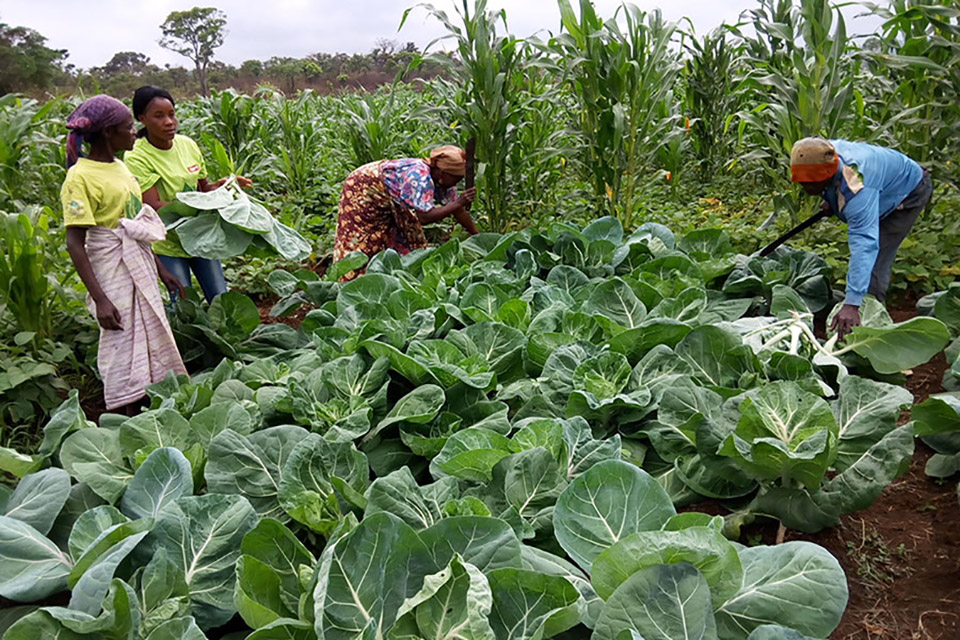
The Economics of Small-Scale Farming: Challenges and Opportunities
Small-scale farming has long been a cornerstone of agriculture, particularly in rural communities where it serves as a vital source of income, food security, and employment. However, the economics of small-scale farming is a delicate balance, influenced by various challenges and opportunities. Understanding these dynamics is key to empowering smallholder farmers and ensuring the sustainability of their operations.
The Role of Small-Scale Farming
Small-scale farming typically involves cultivating small plots of land or managing livestock on a smaller scale. While it lacks the extensive resources of industrial agriculture, it plays a critical role in:
- Food Production: Smallholder farmers contribute significantly to local food supplies.
- Rural Livelihoods: Agriculture provides income and employment in areas where opportunities are often limited.
- Cultural Preservation: Traditional farming practices help maintain cultural heritage and biodiversity.
Challenges Faced by Small-Scale Farmers
- Limited Access to Capital: Small-scale farmers often struggle to secure loans or financial aid, limiting their ability to invest in modern tools, seeds, and technology.
- Market Access: Selling produce at competitive prices can be difficult due to inadequate infrastructure, middlemen, and fluctuating market demand.
- Climate Vulnerability: Smallholders are disproportionately affected by extreme weather events, pests, and diseases, which can devastate their livelihoods.
- Land Fragmentation: Dividing land among multiple generations often results in smaller, less productive plots.
- Lack of Education and Training: Many farmers lack access to knowledge about modern farming practices or business skills, hindering their ability to scale operations.
Economic Opportunities for Small-Scale Farming
Despite these challenges, small-scale farming presents numerous opportunities for growth and profitability:
- Diversification: Growing a variety of crops and raising livestock can help spread risk and boost income. For example, farmers can introduce high-value cash crops like fruits, vegetables, or herbs alongside staple crops.
- Value Addition: Processing raw produce into market-ready goods (e.g., turning milk into cheese or fruits into jam) can significantly increase profits.
- Technology Adoption: Affordable technologies like mobile apps for market price tracking, water-efficient irrigation systems, and low-cost storage solutions can improve efficiency and reduce waste.
- Direct-to-Consumer Models: Selling produce directly to consumers through farmer’s markets, community-supported agriculture (CSA), or online platforms eliminates middlemen and provides better returns.
- Government and NGO Support: Many programs aim to provide financial aid, training, and resources to empower smallholder farmers.
The Path Toward Sustainability
Sustainable small-scale farming not only ensures profitability but also contributes to environmental conservation and community well-being. Farmers can adopt practices such as organic farming, crop rotation, and agroforestry to maintain soil health and biodiversity while reducing chemical inputs.
Conclusion
The economics of small-scale farming is both challenging and full of potential. By addressing obstacles and leveraging opportunities, smallholder farmers can create thriving, resilient agricultural enterprises. With the right support—from governments, organizations, and consumers—small-scale farming can continue to be a vital part of the global food system while driving rural development and economic growth.
POWERED BY TECH UP SOLUTIONS
 AGRIHELPAFRICA
Leave a comment