Livestock Management for Healthier Animals: Ensuring Welfare and Productivity
Livestock management plays a critical role in agriculture, ensuring that animals are healthy, productive, and well-cared for. Healthy livestock not only provide a sustainable source of food and income but also contribute to the overall stability of rural economies. In this article, we delve into the best practices and strategies for effective livestock management, designed to promote animal welfare and long-term productivity.
The Importance of Livestock Management
Healthy livestock are the backbone of agricultural enterprises. Proper management ensures:
- Optimal Productivity: Healthy animals yield higher milk, meat, or egg production.
- Animal Welfare: Ethical practices improve the quality of life for livestock.
- Economic Gains: Reduced veterinary costs and losses due to illness enhance profitability.
Key Components of Livestock Management
- Balanced Nutrition: Providing livestock with a diet that meets their nutritional needs is essential for growth, reproduction, and immunity. Incorporating vitamins, minerals, and protein-rich feeds ensures overall health and productivity.
- Clean Water Supply: Access to clean and safe drinking water is non-negotiable. Proper hydration supports digestion, thermoregulation, and overall well-being.
- Housing and Space: Adequate shelter protects animals from extreme weather and predators. Ensuring enough space prevents overcrowding and stress.
- Health Monitoring: Regular veterinary check-ups, vaccinations, and parasite control are vital to prevent diseases and ensure early intervention when needed.
- Proper Hygiene: Maintaining cleanliness in animal housing and feeding areas minimizes the spread of infections and diseases.
- Breeding Practices: Selective breeding improves herd quality and ensures genetic traits conducive to productivity and resilience.
- Exercise and Movement: Allowing animals adequate space for movement and exercise promotes physical and mental health.
- Stress Reduction: Handling animals calmly and minimizing stressors, such as loud noises and overcrowding, contribute to better health outcomes.
Embracing Technology in Livestock Management
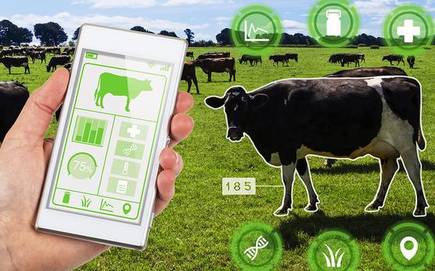
Modern technology has revolutionized livestock management, making it easier to monitor and improve animal welfare:
- Wearable Sensors: Track animal health, movement, and behavior in real-time.
- Automated Feeding Systems: Provide precise amounts of feed to reduce waste and ensure proper nutrition.
- Data Analytics: Monitor trends and predict health issues for early intervention.
Benefits of Livestock Management
Effective livestock management offers numerous benefits, including:
- Higher yields of milk, meat, or eggs.
- Reduced disease outbreaks and veterinary costs.
- Improved environmental sustainability through better waste management.
- Enhanced market value for livestock products.
A Path to Sustainability
As the global population grows, the demand for livestock products increases. Effective livestock management practices not only ensure the welfare of animals but also promote sustainable agriculture, addressing challenges like climate change, resource scarcity, and food security.
Conclusion
Livestock management is more than a necessity—it’s a commitment to ethical, sustainable, and profitable farming. By adopting best practices and leveraging modern technology, farmers can ensure healthier animals and a brighter future for agriculture.
POWERED BY TECH UP SOLUTIONS
 AGRIHELPAFRICA
Leave a comment