Drip Irrigation Systems: A Sustainable Solution for Modern Agriculture
Water is one of the most precious resources in agriculture, and its efficient use is critical for ensuring sustainable food production. Drip irrigation systems have emerged as a game-changing innovation, allowing farmers to deliver water directly to the roots of plants with unmatched precision. This technology is revolutionizing the way we grow crops, promoting resource conservation, and enhancing productivity.
What is Drip Irrigation?
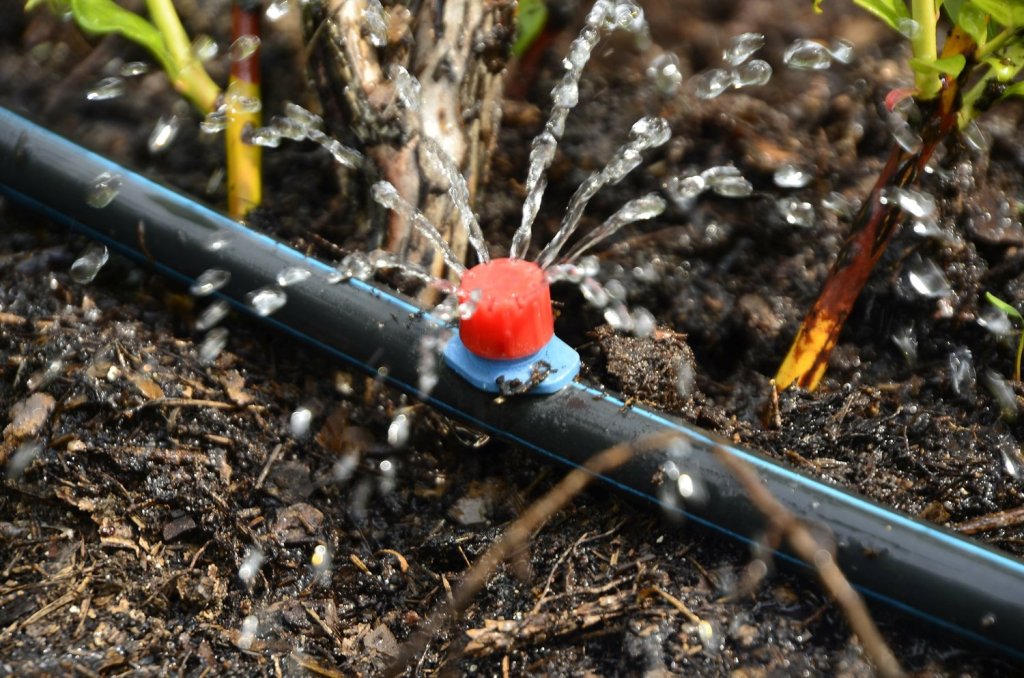
Drip irrigation is a micro-irrigation method that delivers water slowly and directly to the plant’s root zone through a network of pipes, tubes, and emitters. Unlike traditional irrigation methods, which water the entire field, drip irrigation targets specific areas, reducing water wastage and evaporation.
Benefits of Drip Irrigation Systems
- Water Conservation: Drip irrigation uses up to 50% less water than conventional irrigation methods like sprinklers or flood irrigation. This efficiency is particularly vital in regions facing water scarcity.
- Increased Crop Yields: By providing plants with a steady, controlled water supply, drip systems promote healthy growth, resulting in higher yields and better-quality produce.
- Weed and Disease Control: Since water is delivered only to the root zone, areas between plants remain dry, discouraging weed growth and reducing the risk of fungal diseases.
- Energy Efficiency: Drip irrigation operates at lower pressures than other systems, saving energy and reducing costs associated with pumping water.
- Fertilizer Efficiency: Some drip systems can deliver nutrients directly to plants through fertigation, reducing fertilizer use and minimizing runoff into water bodies.
Key Components of a Drip Irrigation System
- Water Source: This could be a well, reservoir, or other reliable water supply.
- Pump and Filters: A pump ensures proper water flow, while filters remove debris to prevent clogging.
- Mainline and Sub-Main Pipes: These distribute water from the source to different areas of the field.
- Emitters or Drip Tape: These are the components that release water directly to the plants.
- Control Valves: Valves regulate the water flow and pressure within the system.
Challenges and Solutions
- Clogging: Proper filtration and regular maintenance can prevent emitter blockages caused by sediment or algae.
- High Initial Costs: While setting up a drip system can be expensive, the long-term savings on water, fertilizer, and energy offset the initial investment.
- Skill Requirements: Farmers may need training to install and manage the system effectively, but educational programs and resources are increasingly available.
Real-World Impact
Drip irrigation has already transformed agriculture in many parts of the world. In India, smallholder farmers have adopted drip systems to grow water-intensive crops like sugarcane and bananas, achieving higher yields with less water. Similarly, in Israel—a pioneer in drip irrigation—this technology has turned arid desert landscapes into fertile agricultural hubs.
Future of Drip Irrigation
With advancements in technology, drip irrigation is becoming smarter and more accessible. Integration with Internet of Things (IoT) devices allows for remote monitoring and control of systems, while solar-powered pumps are making drip irrigation feasible for off-grid farms. As climate change exacerbates water scarcity, drip irrigation will play an increasingly vital role in global agriculture.
Conclusion
Drip irrigation systems are more than just an efficient way to water crops—they’re a blueprint for sustainable farming in the face of growing environmental challenges. By embracing this innovative technology, farmers can conserve water, reduce costs, and secure food production for future generations. It’s a small change with a big impact.
POWERED BY TECH UP SOLUTIONS
 AGRIHELPAFRICA
Leave a comment