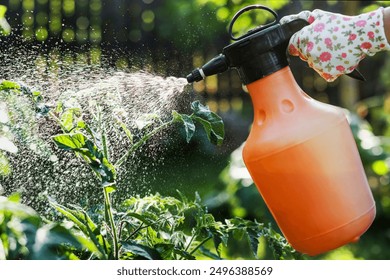
Combatting Pests Naturally: A Greener Approach to Healthy Crops
Pests are one of the biggest challenges farmers face in agriculture, threatening crops and livelihoods. While chemical pesticides have traditionally been the go-to solution, they come with significant environmental and health risks. Natural pest control methods, on the other hand, offer a safer and more sustainable alternative. Let’s explore the world of eco-friendly pest management and discover how farmers can protect their crops while preserving the environment.
Why Natural Pest Control?
Natural pest control focuses on utilizing biological, cultural, and organic solutions to manage pest populations. The benefits of these methods include:
- Environmental Safety: Reduces the harmful effects of chemical runoff on soil, water, and wildlife.
- Healthier Produce: Ensures fruits and vegetables are free from pesticide residues.
- Long-Term Sustainability: Encourages biodiversity and maintains ecological balance.
Effective Natural Pest Control Methods
- Companion Planting: Certain plants act as natural repellents to pests. For example, marigolds can deter nematodes, and basil can repel flies and mosquitoes. Planting these alongside crops creates a natural defense system.
- Biological Control: Beneficial insects like ladybugs, spiders, and parasitic wasps feed on harmful pests. Introducing these natural predators into farms can help keep pest populations in check.
- Crop Rotation: Changing crops each season prevents pests from establishing themselves in the soil, disrupting their life cycles and reducing infestations.
- Homemade Organic Sprays: Solutions made from garlic, neem oil, or chili peppers act as natural repellents, deterring pests without harming crops or the environment.
- Trap Cropping: Planting a decoy crop that attracts pests away from the main crop helps reduce pest damage. For example, mustard can attract aphids, sparing more valuable crops.
- Mulching and Physical Barriers: Mulching suppresses weeds that harbor pests, while nets or row covers provide a physical shield against insects like beetles or moths.
- Encouraging Natural Ecosystems: By fostering a biodiverse environment, such as maintaining hedgerows or wildflower borders, farmers can support ecosystems where natural predators thrive.
- Regular Monitoring and Handpicking: Inspecting crops frequently for pests allows for early intervention. Handpicking pests like caterpillars or snails can be surprisingly effective on small-scale farms.
Success Stories from Natural Pest Control
Around the world, farmers have embraced natural pest control with remarkable success. For instance, in Kenya, push-pull technology uses Napier grass to attract pests away from maize while desmodium plants repel them. This simple method has boosted yields and reduced the need for synthetic pesticides.
A Call to Action
Transitioning to natural pest control isn’t just about protecting crops—it’s about safeguarding the environment, farmers, and consumers. Governments, NGOs, and agricultural researchers must collaborate to educate farmers on these techniques and make sustainable pest control more accessible.
Conclusion
Combatting pests naturally is an investment in the future of farming. By adopting eco-friendly strategies, farmers can grow healthier crops, protect ecosystems, and contribute to a greener planet. The time to embrace natural pest control is now—it’s better for the soil, the crops, and the people.
 AGRIHELPAFRICA
Leave a comment