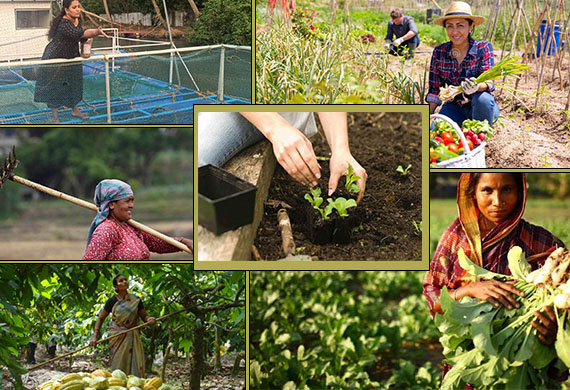
The Role of Women in Agriculture
Women play a crucial role in agriculture worldwide. They contribute significantly to food production, economic stability, and community development. This article explores their multifaceted roles, challenges, and the impact they have on the agricultural sector.
Historical Context
Historically, women have always been involved in agriculture. They managed farms, tended livestock, and cultivated crops. Over time, their contributions became essential for survival.
- Traditional Roles
- Women often worked alongside men.
- They handled household tasks and agricultural duties.
- Cultural Significance
- In many cultures, women are the backbone of farming.
- Their knowledge of local crops is invaluable.
Current Contributions
Today, women continue to shape agriculture. They engage in various activities, from planting to marketing.
- Labor Force
- Women make up a significant portion of the agricultural workforce.
- They often perform labor-intensive tasks.
- Decision-Making
- Women increasingly participate in decision-making processes.
- Their insights lead to better farming practices.
Economic Impact
Women’s involvement in agriculture boosts local economies. Their contributions enhance food security and promote sustainable practices.
- Income Generation
- Women farmers contribute to household income.
- They invest earnings back into their families.
- Market Access
- Women often face barriers to market access.
- However, initiatives are emerging to support them.
Challenges Faced
Despite their contributions, women in agriculture face numerous challenges. These obstacles hinder their potential and limit growth.
- Access to Resources
- Women often lack access to land and credit.
- This limits their ability to expand operations.
- Education and Training
- Many women lack formal education.
- Training programs can empower them.
Empowerment Initiatives
Various initiatives aim to empower women in agriculture. These programs focus on education, resources, and support.
- Microfinance Programs
- Microloans help women start or expand businesses.
- Financial independence fosters confidence.
- Training Workshops
- Workshops provide essential skills and knowledge.
- Women learn about sustainable practices.
Conclusion
In conclusion, women play an indispensable role in agriculture. Their contributions enhance food security, economic stability, and community resilience. By addressing challenges and empowering women, we can create a more sustainable agricultural future. Investing in women is investing in the future of agriculture.
POWERED BY TECH UP SOLUTIONS
 AGRIHELPAFRICA
Leave a comment