The Role of Mycorrhizal Fungi in Soil Health
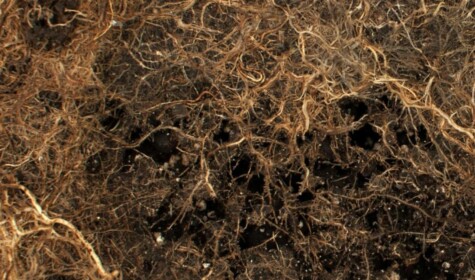
Mycorrhizal fungi play a crucial role in maintaining soil health. These fascinating organisms form symbiotic relationships with plant roots. This partnership benefits both the fungi and the plants. As a result, they enhance nutrient uptake and improve soil structure.
Understanding Mycorrhizal Fungi
Mycorrhizal fungi belong to various groups. The two main types are arbuscular mycorrhizal (AM) fungi and ectomycorrhizal (EM) fungi. Each type interacts differently with plants.
Arbuscular Mycorrhizal Fungi (AMF)
- AMF penetrate plant roots.
- They form structures called arbuscules.
- These structures facilitate nutrient exchange.
Ectomycorrhizal Fungi (EMF)
- EMF surround plant roots.
- They create a protective sheath.
- This sheath helps in nutrient absorption.
Enhancing Nutrient Uptake
Mycorrhizal fungi significantly improve nutrient uptake. They extend the root system of plants. This extension allows plants to access more nutrients.
- Phosphorus: Mycorrhizal fungi excel at absorbing phosphorus. They help plants acquire this essential nutrient.
- Nitrogen: These fungi also assist in nitrogen uptake. They break down organic matter, releasing nitrogen.
- Micronutrients: Mycorrhizal fungi enhance the availability of micronutrients. They help plants access zinc, copper, and iron.
Improving Soil Structure
Mycorrhizal fungi contribute to soil structure. They produce hyphae, which bind soil particles together. This binding creates stable aggregates.
- Soil Aeration: Improved soil structure enhances aeration. This aeration promotes root growth and microbial activity.
- Water Retention: Well-structured soil retains moisture. This retention benefits plants during dry periods.
Promoting Soil Biodiversity
Mycorrhizal fungi support soil biodiversity. They create a habitat for various microorganisms. This diversity fosters a healthy ecosystem.
- Microbial Interactions: Mycorrhizal fungi interact with bacteria and other fungi. These interactions enhance nutrient cycling.
- Plant Diversity: Healthy mycorrhizal networks support diverse plant species. This diversity strengthens the ecosystem.
Resilience Against Stress
Mycorrhizal fungi enhance plant resilience. They help plants cope with environmental stressors. This resilience is vital for sustainable agriculture.
- Drought Resistance: Mycorrhizal associations improve drought resistance. They help plants access water more efficiently.
- Disease Resistance: These fungi can protect plants from pathogens. They create a barrier against harmful organisms.
Conclusion
In summary, mycorrhizal fungi play an essential role in soil health. They enhance nutrient uptake, improve soil structure, and promote biodiversity. Furthermore, they increase plant resilience against stress. Therefore, fostering mycorrhizal relationships is crucial for sustainable agriculture and healthy ecosystems. By understanding and supporting these fungi, we can ensure a thriving environment for future generations.
POWERED BY TECH UP SOLUTIONS
 AGRIHELPAFRICA
Leave a comment