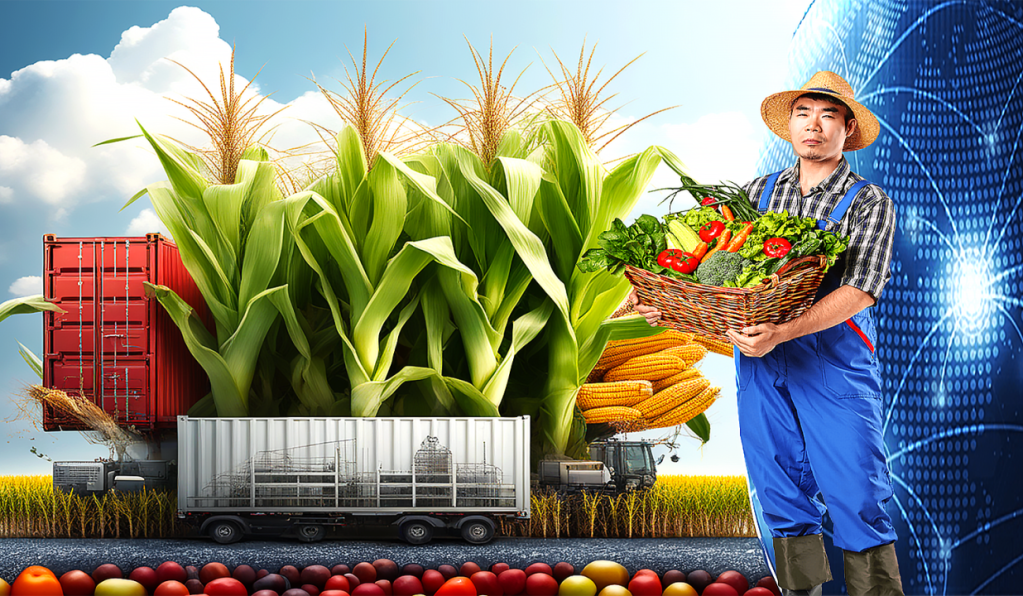
The Impact of Globalization on Agriculture: Opportunities and Challenges
Globalization, the process of increased interconnectedness and interdependence among countries, has profoundly impacted various sectors, including agriculture. As countries become more integrated into the global economy, the agricultural landscape experiences significant transformations. This article explores the opportunities and challenges that globalization brings to agriculture, highlighting its far-reaching effects on food production, trade, and rural communities.
1. Access to Global Markets
One of the most significant impacts of globalization on agriculture is the increased access to global markets. Farmers and agribusinesses can now export their products to international markets, expanding their customer base and increasing revenue. This access to global markets provides opportunities for growth and diversification, enabling farmers to take advantage of higher prices and demand for their products. However, it also exposes them to global competition, which can be challenging for small-scale farmers with limited resources.
2. Technological Advancements and Knowledge Exchange
Globalization facilitates the exchange of technology, knowledge, and best practices across borders. Farmers in developing countries can adopt advanced agricultural technologies and techniques from developed nations, improving productivity and efficiency. The sharing of knowledge through international collaborations, research partnerships, and digital platforms enhances innovation and accelerates the development of sustainable farming practices. However, the adoption of new technologies may require significant investment, which can be a barrier for resource-constrained farmers.
3. Trade Liberalization and Policy Changes
Trade liberalization, a hallmark of globalization, has led to the reduction of trade barriers and the establishment of free trade agreements. These changes create a more open and competitive global market for agricultural products. While trade liberalization can increase export opportunities and reduce costs for consumers, it can also lead to market volatility and price fluctuations. Additionally, changes in trade policies can impact domestic agricultural sectors, influencing production decisions and income stability for farmers.
4. Impact on Rural Communities
Globalization can have both positive and negative effects on rural communities. On the positive side, increased market access and economic opportunities can lead to improved living standards, infrastructure development, and job creation in rural areas. However, globalization can also contribute to rural-urban migration, as people move to cities in search of better economic prospects. This migration can lead to labor shortages in rural areas and challenges in maintaining vibrant agricultural communities.
5. Environmental Considerations
The expansion of global agricultural trade has environmental implications, both positive and negative. On one hand, globalization can promote the adoption of sustainable farming practices and environmental stewardship through knowledge exchange and international agreements. On the other hand, the increased demand for agricultural products can lead to deforestation, habitat loss, and overexploitation of natural resources. It is essential to strike a balance between meeting global food demands and preserving environmental integrity.
6. Food Security and Diversity
Globalization can enhance food security by diversifying food sources and reducing dependence on local production. Access to a wider variety of foods from different regions can improve nutrition and dietary diversity. However, the reliance on global supply chains also introduces vulnerabilities, as disruptions in international trade can impact food availability and prices. Building resilient and diverse food systems is crucial to mitigate these risks and ensure food security in an interconnected world.
Conclusion
Globalization has a profound impact on agriculture, offering both opportunities and challenges. By providing access to global markets, facilitating technological advancements, and promoting knowledge exchange, globalization can drive agricultural growth and innovation. However, it also introduces challenges related to competition, market volatility, environmental sustainability, and rural community dynamics. Navigating the complexities of globalization requires a balanced approach that leverages its benefits while addressing its potential drawbacks. By fostering international collaboration, sustainable practices, and resilient food systems, we can ensure that globalization contributes to a thriving and sustainable agricultural future.
POWERED BY TECH UP SOLUTIONS
 AGRIHELPAFRICA
Leave a comment