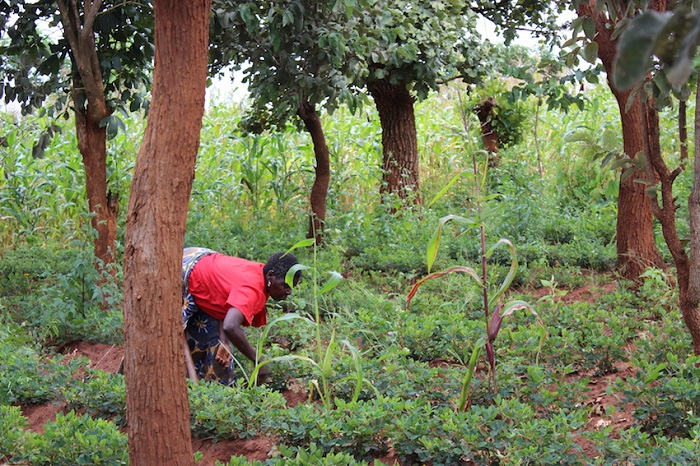
The Benefits of Agroforestry: Harmonizing Agriculture and Nature
Agroforestry, an age-old practice that combines agriculture and forestry, is gaining renewed attention for its multifaceted benefits. By integrating trees and shrubs into agricultural landscapes, agroforestry offers a sustainable approach to farming that enhances productivity, biodiversity, and environmental health. In this article, we explore the key benefits of agroforestry and why it is a vital practice for the future of agriculture.
1. Enhanced Soil Health
One of the primary benefits of agroforestry is its positive impact on soil health. Trees and shrubs contribute organic matter to the soil through leaf litter and root exudates, improving soil structure and fertility. The deep roots of trees help prevent soil erosion and enhance nutrient cycling, bringing up nutrients from deeper soil layers to the surface. This leads to more fertile and resilient soils, which are essential for sustainable crop production.
2. Biodiversity Conservation
Agroforestry systems promote biodiversity by creating diverse habitats for a wide range of plant and animal species. The presence of trees and shrubs provides shelter, food, and nesting sites for birds, insects, and other wildlife. This biodiversity helps maintain ecological balance and can enhance pest control by attracting beneficial predators and pollinators. By fostering a diverse ecosystem, agroforestry contributes to the conservation of flora and fauna, which is crucial for the overall health of our planet.
3. Climate Change Mitigation
Agroforestry plays a significant role in mitigating climate change by sequestering carbon dioxide from the atmosphere. Trees and shrubs act as carbon sinks, storing carbon in their biomass and soil. This helps reduce greenhouse gas concentrations and contributes to global efforts to combat climate change. Additionally, agroforestry systems can enhance the resilience of agricultural landscapes to climate variability, providing shade, windbreaks, and microclimate regulation.
4. Improved Water Management
The integration of trees into agricultural systems can improve water management and conservation. Trees help regulate water cycles by increasing water infiltration and reducing surface runoff. Their roots stabilize soil and reduce erosion, preventing the loss of valuable topsoil and nutrients. Agroforestry practices such as alley cropping and riparian buffer strips can also protect water bodies from agricultural pollutants, enhancing water quality and ecosystem health.
5. Economic Diversification
Agroforestry offers economic benefits by diversifying income sources for farmers. In addition to traditional crops, farmers can harvest timber, fruits, nuts, and other tree-based products. This diversification reduces financial risk and provides a stable income stream, especially during periods of crop failure or market fluctuations. Agroforestry can also create opportunities for value-added products, such as herbal medicines, essential oils, and agro-tourism.
6. Social and Cultural Benefits
Agroforestry can strengthen social and cultural ties within communities. Community-based agroforestry projects often involve collective decision-making, knowledge sharing, and cooperative management, fostering a sense of ownership and collaboration. Additionally, agroforestry systems can preserve traditional farming practices and cultural heritage, promoting sustainable land use that respects local knowledge and customs.
Conclusion
Agroforestry is a powerful tool for achieving sustainable agriculture and environmental conservation. By harmonizing agricultural practices with natural ecosystems, agroforestry enhances soil health, conserves biodiversity, mitigates climate change, improves water management, and provides economic and social benefits. As we face growing challenges related to food security, environmental degradation, and climate change, agroforestry offers a promising pathway to a more resilient and sustainable future. Embracing this holistic approach to farming can help create a harmonious balance between agriculture and nature, ensuring the well-being of both people and the planet.
POWERED BY TECH UP SOLUTIONS
 AGRIHELPAFRICA
Leave a comment