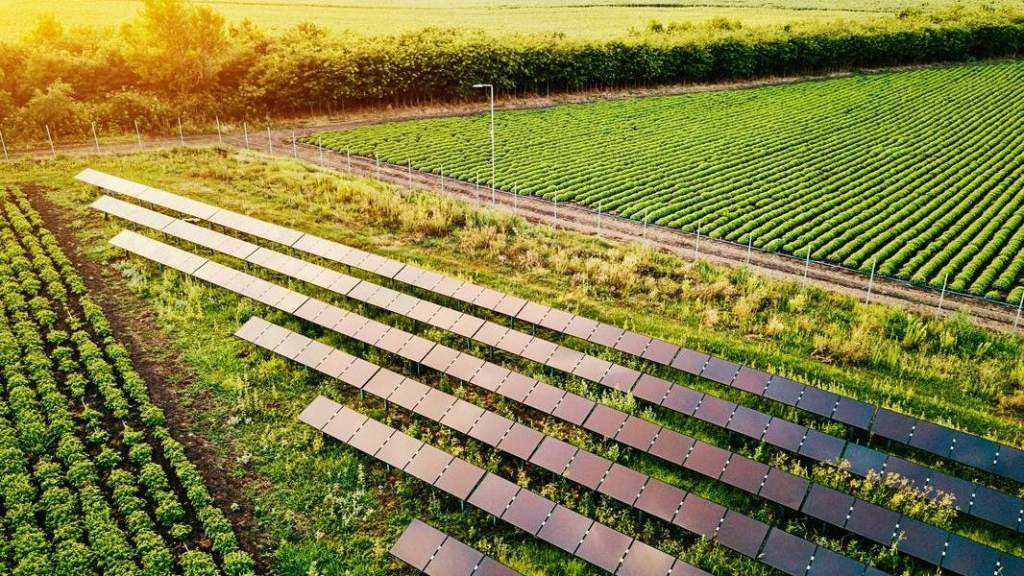
The Future of Farming: Embracing Sustainable Practices
The agricultural sector is a cornerstone of human survival, providing the food, fiber, and fuel necessary for daily life. Yet, traditional farming methods often come at a significant environmental cost, contributing to deforestation, soil degradation, and greenhouse gas emissions. As the global population continues to rise, the need for sustainable farming practices has never been more urgent. These practices aim to balance the demands of food production with the need to protect and restore our natural ecosystems.
1. Crop Rotation and Diversity
One of the simplest yet most effective sustainable farming practices is crop rotation. By rotating crops seasonally, farmers can prevent the depletion of soil nutrients. For instance, planting nitrogen-fixing legumes like beans or peas in one season and then following with nitrogen-consuming crops like corn helps maintain soil fertility. This practice also disrupts pest and disease cycles, reducing the need for chemical pesticides.
2. Agroforestry
Agroforestry integrates trees and shrubs into crop and livestock systems, promoting biodiversity and improving soil health. The trees provide shade and windbreaks, which can enhance crop yields and protect against soil erosion. Additionally, trees act as carbon sinks, helping to mitigate climate change by absorbing carbon dioxide from the atmosphere.
3. Conservation Tillage
Traditional tillage practices can lead to soil erosion and the loss of organic matter. Conservation tillage, including no-till farming, minimizes soil disturbance and maintains soil structure. By leaving crop residues on the field, farmers can improve water retention, reduce erosion, and enhance soil organic matter. This practice also fosters a habitat for beneficial soil organisms.
4. Integrated Pest Management (IPM)
Integrated Pest Management (IPM) is an ecological approach to pest control that combines biological, cultural, mechanical, and chemical methods. By relying on natural predators, crop diversification, and targeted pesticide use, IPM reduces the environmental impact of pest management. This approach not only protects crops but also promotes biodiversity and soil health.
5. Water Management
Efficient water use is critical in sustainable farming. Practices such as drip irrigation and rainwater harvesting ensure that crops receive the right amount of water without wastage. Mulching and cover cropping can also help retain soil moisture. In regions facing water scarcity, drought-resistant crop varieties are an essential tool for maintaining agricultural productivity.
6. Organic Farming
Organic farming eschews synthetic chemicals in favor of natural inputs. By using compost, manure, and organic fertilizers, farmers can enhance soil fertility and promote healthy crop growth. Organic farming also emphasizes the use of heirloom and locally adapted crop varieties, which can be more resilient to local pests and diseases.
7. Precision Agriculture
Advances in technology have given rise to precision agriculture, which uses data and sensors to optimize farming practices. By monitoring soil conditions, weather patterns, and crop health in real-time, farmers can make informed decisions about irrigation, fertilization, and pest control. This targeted approach not only increases efficiency but also reduces the environmental footprint of farming.
Conclusion
Sustainable farming practices are not just about protecting the environment; they are also about creating resilient agricultural systems that can withstand the challenges of climate change, resource scarcity, and a growing population. By adopting these practices, farmers can produce healthy, abundant food while preserving the ecosystems that sustain us all. The future of farming lies in our ability to innovate and work in harmony with nature, ensuring that both people and the planet can thrive.
POWERED BY TECH UP SOLUTIONS
 AGRIHELPAFRICA
Leave a comment