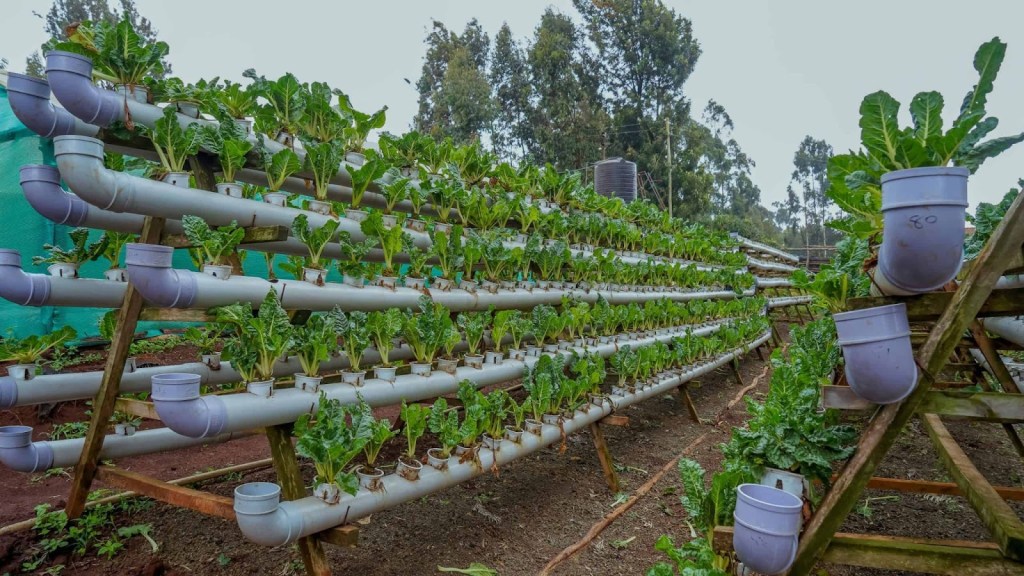
Innovative Agricultural Techniques: Hydroponics and Aquaponics
As the world grapples with increasing food demand, dwindling arable land, and climate change, innovative agricultural techniques are emerging as viable solutions for sustainable food production. Among these, hydroponics and aquaponics stand out for their ability to maximize yield, conserve resources, and reduce environmental impact. This article explores the principles, benefits, and potential of hydroponics and aquaponics in revolutionizing modern agriculture.
1. Hydroponics: Soilless Farming
Hydroponics is a method of growing plants without soil, using nutrient-rich water solutions. This technique provides plants with essential nutrients directly through the water, allowing for more efficient and controlled growth conditions. Hydroponic systems can vary in complexity, from simple setups to highly advanced systems with automated nutrient delivery and lighting.
Benefits of Hydroponics:
- Efficient Resource Use: Hydroponics uses up to 90% less water compared to traditional soil-based farming, as water is recirculated within the system. This is particularly advantageous in regions facing water scarcity.
- Space Optimization: Hydroponic systems can be set up in urban environments, greenhouses, and even vertical farms, making efficient use of limited space. This allows for year-round cultivation, regardless of climate or weather conditions.
- Higher Yields: By providing optimal nutrient and environmental conditions, hydroponics can significantly increase crop yields. Plants grown hydroponically often mature faster and produce more abundant harvests.
- Reduced Pesticide Use: Since hydroponic systems are often enclosed and controlled environments, the risk of pests and diseases is minimized, reducing the need for chemical pesticides.
2. Aquaponics: A Symbiotic System
Aquaponics is a sustainable farming method that combines aquaculture (raising fish) with hydroponics. In an aquaponic system, fish waste provides nutrients for the plants, and the plants, in turn, help filter and clean the water for the fish. This creates a closed-loop, symbiotic relationship that benefits both components.
Benefits of Aquaponics:
- Nutrient Recycling: Aquaponics efficiently recycles nutrients, reducing the need for synthetic fertilizers. Fish waste is broken down by beneficial bacteria into nutrients that plants can absorb, creating a natural and sustainable nutrient cycle.
- Dual Production: Aquaponics allows for the simultaneous production of fish and crops, maximizing the use of resources and increasing overall productivity. This can provide additional income streams for farmers.
- Water Conservation: Similar to hydroponics, aquaponics uses significantly less water than traditional farming methods. Water is continuously recirculated within the system, with minimal loss through evaporation and transpiration.
- Environmental Benefits: Aquaponics reduces the environmental impact of farming by minimizing water use, reducing chemical inputs, and decreasing the carbon footprint associated with food production and transportation.
3. Challenges and Considerations
While hydroponics and aquaponics offer numerous benefits, there are challenges and considerations to address. These systems require initial investments in infrastructure, technology, and training. Managing water quality, nutrient levels, and system maintenance is crucial for successful operation. Additionally, market access and consumer acceptance of soilless and aquaponically grown produce can influence the viability of these techniques.
Conclusion
Hydroponics and aquaponics represent innovative and sustainable approaches to modern agriculture. By leveraging technology and natural processes, these techniques offer solutions to some of the most pressing challenges facing food production today. As we continue to innovate and refine these systems, hydroponics and aquaponics have the potential to transform agriculture, making it more resilient, efficient, and environmentally friendly. Embracing these techniques can help ensure a secure and sustainable food future for generations to come.
POWERED BY TECH UP SOLUTIONS
 AGRIHELPAFRICA
Leave a comment