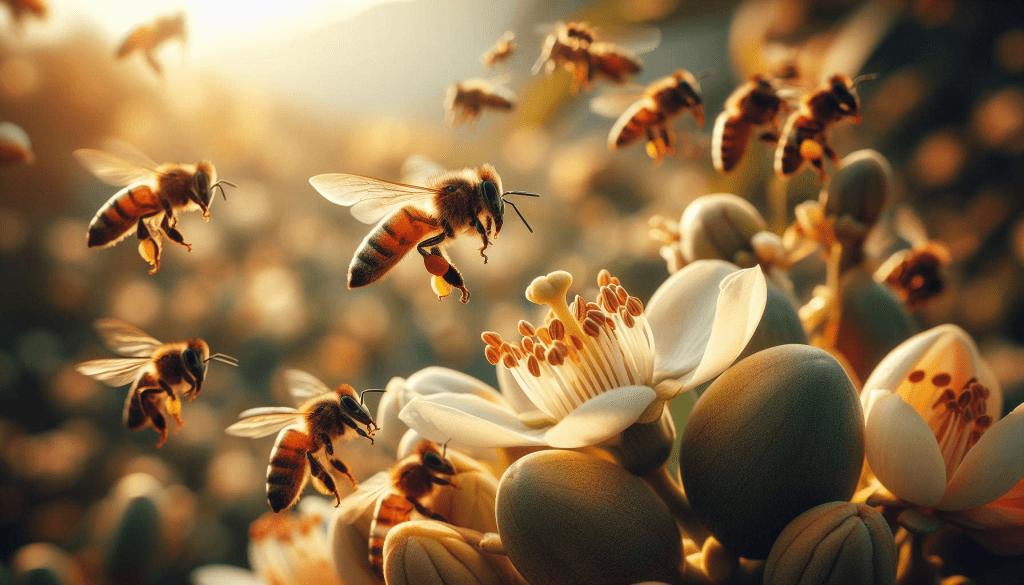
The Importance of Bees in Agriculture: Pollination and Beyond
Bees play a crucial role in agriculture, specifically in the process of pollination. This natural process is essential for the reproduction of many plants and crops that are crucial for our food supply. However, the importance of bees in agriculture goes beyond pollination. In this article, we will explore why bees are so important in agriculture and how their presence benefits not only farmers but also the environment as a whole.
Pollination: The Key Role of Bees
How Pollination Works
- Pollination is the transfer of pollen from the male part of a flower to the female part, allowing plants to reproduce
- Bees are excellent pollinators because they are attracted to flowers for their nectar and inadvertently transfer pollen as they move from flower to flower.
Importance of Pollination
- About 75% of flowering plants rely on pollinators like bees to reproduce
- Many crops, including fruits, vegetables, and nuts, depend on bees for pollination
- Without bees, these crops would not be able to reproduce, leading to a decrease in food supply and biodiversity.
Benefits of Bee Pollination
- Increases crop yield and quality by ensuring proper pollination
- Promotes genetic diversity, making plants more resilient to environmental stressors
- Enhances biodiversity by supporting the reproduction of various plant species.
Beyond Pollination: Additional Benefits of Bees in Agriculture
Honey Production
- Bees produce honey as a food source for themselves and their colonies
- Honey is not only a delicious treat for humans but also has medicinal properties and is used in various products like cosmetics and medicine.
Beeswax Production
- Beeswax, produced by bees to build their hives, is used in candles, skincare products, and even food wrapping
- Beeswax is a natural and sustainable material that has many practical applications.
Environmental Stewardship
- Bees play a crucial role in maintaining biodiversity and ecosystem health
- By pollinating plants, bees contribute to the overall health of the environment and support other wildlife species.
Economic Impact
- The economic value of bee pollination is estimated in the billions of dollars globally
- Bees contribute to the agricultural economy by supporting crop production and adding value through honey and beeswax production.
Protecting Bees: The Need for Conservation Efforts
Threats to Bee Populations
- Bees face numerous threats, including habitat loss, pesticide use, climate change, and diseases
- Colony collapse disorder, a phenomenon where entire bee colonies disappear, is a major concern for beekeepers and farmers.
Conservation Efforts
- Planting bee-friendly flowers and creating bee-friendly habitats can help support bee populations
- Reduced pesticide use and sustainable farming practices can also benefit bee populations
- Raising awareness about the importance of bees and advocating for policies that protect pollinators are essential for their conservation.
In conclusion, bees play a vital role in agriculture through pollination and provide numerous benefits beyond their role as pollinators. By recognizing the importance of bees in agriculture and taking steps to protect them, we can ensure the long-term health of our food supply and the environment. Bees truly are invaluable contributors to our agricultural systems, and their conservation should be a top priority for farmers, policymakers, and the general public alike.
Powered by Tech Up Solutions
 AGRIHELPAFRICA
Leave a comment