Conservation Agriculture: Practices That Protect the Environment
Conservation Agriculture, also known as sustainable agriculture or regenerative agriculture, is a farming practice that focuses on protecting the environment while maintaining high levels of productivity. This approach aims to preserve and enhance the health of the soil, water, and air, while also promoting biodiversity and sustainability. By implementing conservation agriculture practices, farmers can reduce their impact on the environment and help combat climate change. Here are some key practices that can protect the environment:
Minimal Soil Disturbance
- Conservation agriculture encourages minimal soil disturbance, which helps to preserve soil structure and prevent erosion
- By reducing tillage and plowing, farmers can maintain the soil’s natural structure and organic matter content.
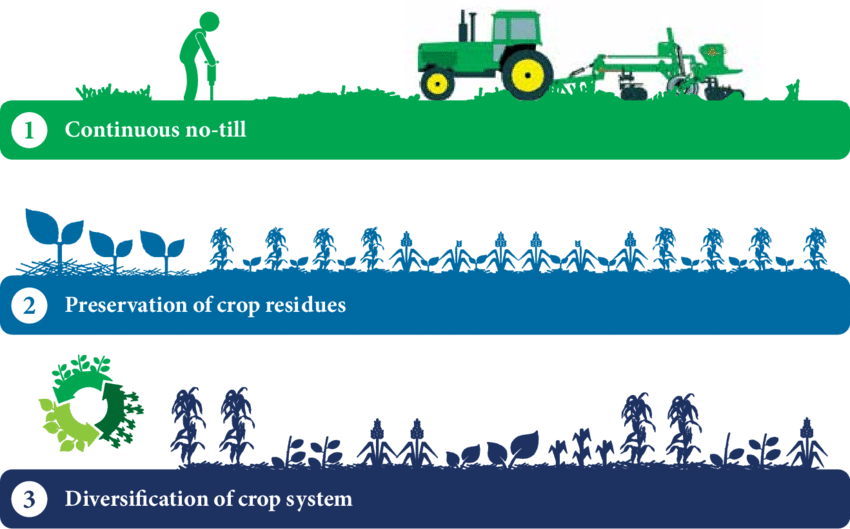
No-Till Farming
- No-till farming is a key practice in conservation agriculture, where farmers do not disturb the soil by plowing
- This helps to retain moisture in the soil, prevent erosion, and reduce the release of carbon dioxide into the atmosphere.
Reduced Tillage
- In cases where tillage is necessary, farmers can practice reduced tillage methods to minimize soil disturbance
- This can help to maintain soil health and structure while still allowing for crop production.
Cover Cropping
- Cover cropping involves planting crops that cover the soil during periods when main crops are not growing
- This helps to prevent soil erosion, improve soil fertility, and promote biodiversity.
Nitrogen Fixation
- Some cover crops, such as legumes, can fix nitrogen in the soil, reducing the need for synthetic fertilizers
- This can help to reduce greenhouse gas emissions and environmental pollution.
Weed Suppression
- Cover crops can also help to suppress weeds, reducing the need for herbicides and promoting natural pest control
- This can lead to a healthier ecosystem and reduce the impact of agriculture on the environment.
Crop Rotation
- Crop rotation involves planting different crops in succession on the same piece of land
- This helps to maintain soil health, prevent nutrient depletion, and reduce the buildup of pests and diseases.
Nutrient Cycling
- Crop rotation can help to cycle nutrients through the soil, reducing the need for synthetic fertilizers
- This can promote sustainable agriculture practices and protect the environment from pollution.
Pest Management
- By rotating crops, farmers can disrupt the life cycles of pests and reduce the need for chemical pesticides
- This can help to maintain biodiversity and promote a healthy ecosystem.
Integrated Pest Management
- Integrated Pest Management (IPM) involves using a combination of cultural, biological, and chemical control methods to manage pests
- This approach helps to minimize the use of synthetic pesticides and protect beneficial insects and pollinators.
Biological Control
- Biological control involves using natural predators and parasites to control pest populations
- This can reduce the need for chemical pesticides and protect the environment from pollution.
Monitoring and Thresholds
- IPM also involves monitoring pest populations and setting thresholds for intervention
- By using environmentally friendly methods to manage pests, farmers can protect the ecosystem and promote biodiversity.
Water Conservation
- Conservation agriculture practices can help to conserve water and reduce the impact of farming on water resources
- By improving soil structure and moisture retention, farmers can reduce water usage and promote sustainable agriculture.
Mulching
- Mulching involves covering the soil with organic materials to retain moisture and prevent erosion
- This can help to conserve water and reduce the need for irrigation, especially in dry regions.
Irrigation Efficiency
- By using efficient irrigation methods, farmers can minimize water wastage and improve water use efficiency
- This can help to protect freshwater resources and promote sustainable agriculture practices.
In conclusion, conservation agriculture practices play a crucial role in protecting the environment and promoting sustainable agriculture. By minimizing soil disturbance, implementing cover cropping, practicing crop rotation, using integrated pest management, and conserving water, farmers can reduce their impact on the environment and help combat climate change. It is essential for farmers to adopt these practices and work towards a more sustainable future for agriculture and the planet.
Powered by Tech Up Solutions
 AGRIHELPAFRICA
Leave a comment