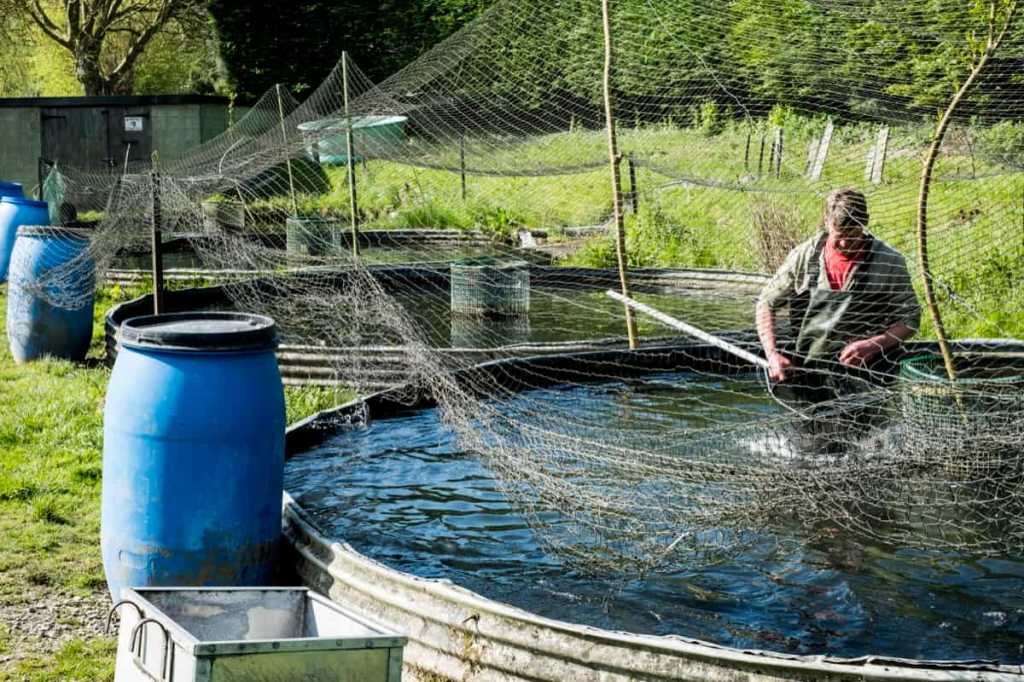
Tips for Starting and Maintaining a Successful Fish Farming Operation
Introduction
Fish farming, also known as aquaculture, is an important sector in agriculture that has seen significant growth in recent years. In Africa, fish farming is becoming increasingly popular as a source of income and food security. However, starting and maintaining a successful fish farming operation requires careful planning, proper strategies, and effective techniques. In this article, we will discuss some tips to help you succeed in the fish farming business.
Strategies for Success in Fish Farming
1. Conduct thorough research
- Before starting a fish farming operation, it is essential to conduct thorough research to understand the local market demand, suitable fish species, and potential competitors
- Research on the best fish species for your region
- Identify potential markets for your fish products
- Study the competition in the fish farming industry
2. Develop a solid business plan
- A well-thought-out business plan is crucial for the success of any fish farming operation. Your business plan should include details on budgeting, marketing strategies, production techniques, and long-term goals
- Set clear objectives for your fish farming business
- Create a detailed budget for expenses and income projections
- Identify potential challenges and have contingency plans in place
3. Choose the right location
- The location of your fish farm plays a significant role in determining its success. Select a site that has access to clean water, adequate space for pond construction, and proximity to markets
- Ensure the availability of sufficient water supply for your fish farm
- Choose a location with good soil quality for pond construction
- Consider the proximity to transportation routes for easy access to markets
Techniques for Successful Fish Farming
1. Optimize water quality
- Maintaining high water quality is essential for the health and growth of your fish. Ensure proper oxygen levels, pH balance, and temperature in your ponds to prevent diseases and promote fast growth
- Monitor water quality regularly using testing kits
- Implement proper aeration systems in your ponds
- Avoid overstocking fish to prevent water pollution
2. Feed your fish properly
- Providing a balanced diet is crucial for the growth and development of your fish. Feed them with high-quality pellets or natural foods to ensure they receive adequate nutrients
- Consult with a nutritionist to develop a feeding program
- Monitor fish feeding behavior and adjust the feeding schedule accordingly
- Avoid overfeeding to prevent waste and water contamination
3. Regular monitoring and maintenance
- Regular monitoring of your fish farm is essential to detect any issues early and prevent potential problems. Perform routine maintenance tasks such as cleaning ponds, repairing equipment, and treating sick fish
- Conduct regular water testing and make necessary adjustments
- Inspect fish for signs of diseases or parasites
- Keep accurate records of feeding, growth rates, and water quality parameters
Conclusion
Starting and maintaining a successful fish farming operation requires dedication, hard work, and effective planning. By following these tips and strategies, you can increase your chances of success in the lucrative business of fish farming. Remember to stay informed about the latest techniques and best practices in aquaculture to ensure the long-term sustainability of your fish farm.
POWERED BY TECH UP SOLUTIONS
 AGRIHELPAFRICA
Leave a comment