Regenerative Agriculture: Restoring Soil Health for Sustainable Farming
Introduction
- Regenerative agriculture is a holistic approach to farming that focuses on restoring soil health and biodiversity
- It aims to improve soil fertility, reduce erosion, and enhance water retention
- This method can help combat climate change and promote sustainable farming practices.
Benefits of Regenerative Agriculture
- Improves soil health
- Enhances biodiversity
- Increases resilience to pests and diseases
- Reduces erosion and nutrient runoff
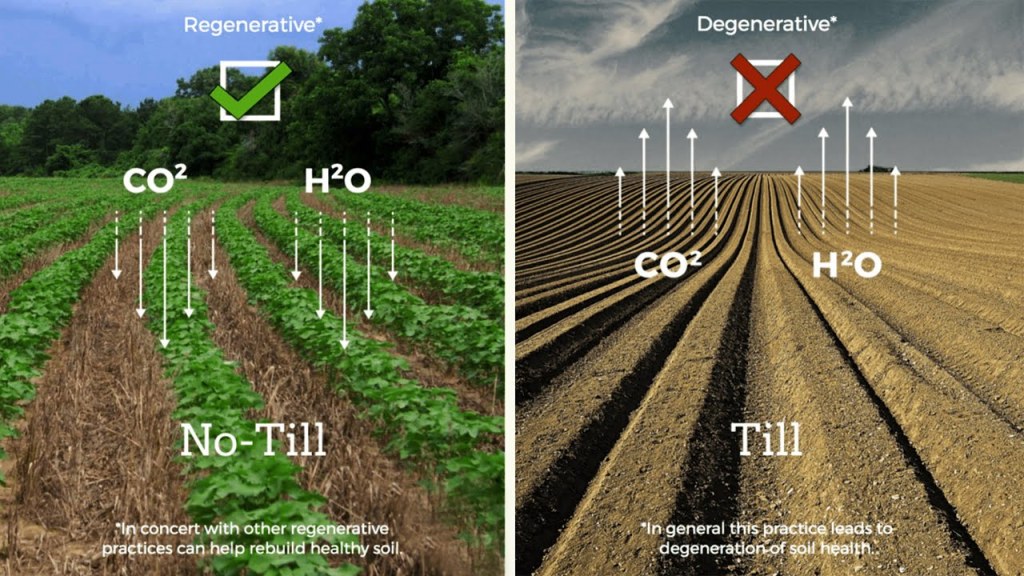
- Improves water retention and reduces the need for irrigation
- Increases carbon sequestration
- Helps combat climate change by removing carbon from the atmosphere
Key Principles of Regenerative Agriculture
- No-till farming
- Perennial crops
- Cover crops
- Crop rotation
- Integration of livestock
- Agroforestry practices
Case Studies: Successful Implementation of Regenerative Agriculture
- Gabe Brown’s ranch in North Dakota
- Singing Frogs Farm in California
- White Oak Pastures in Georgia
Conclusion
- Regenerative agriculture offers a sustainable solution for restoring soil health and promoting biodiversity
- By adopting these practices, farmers can improve their resilience to climate change and ensure long-term food security.
- POWERED BY TECH UP SOLUTIONS
 AGRIHELPAFRICA
Leave a comment