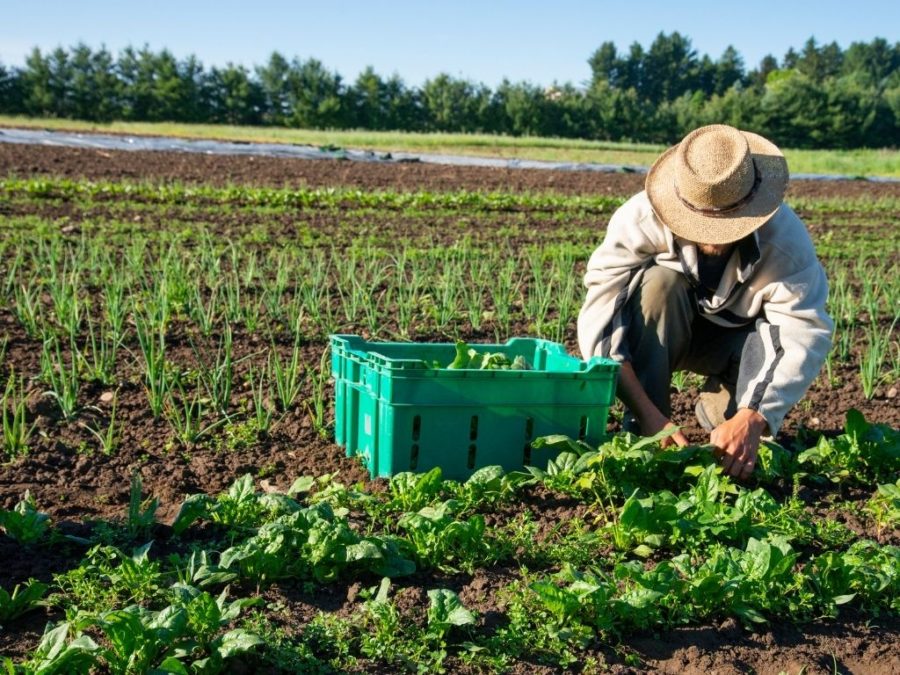
The Future of Farming: Embracing Organic Practices in Africa.
In recent years, there has been a growing emphasis on sustainable agriculture practices in Africa, with a particular focus on organic farming. As the continent grapples with food insecurity, climate change, and environmental degradation, many are turning to organic farming as a way to address these challenges while also promoting social, economic, and environmental sustainability.
Benefits of Organic Farming in Africa
1. Healthier Soils
- Organic farming practices such as crop rotation, composting, and mulching help build healthy soils that are nutrient-rich and well-structured. This leads to improved plant growth and higher yields.
2. Biodiversity Conservation
- Organic farming encourages the preservation of biodiversity by avoiding the use of synthetic pesticides and fertilizers that can harm beneficial insects, birds, and other wildlife.
3. Reduced Environmental Impact
- By avoiding the use of synthetic chemicals, organic farming helps reduce pollution of water sources, soil degradation, and greenhouse gas emissions. This leads to a more sustainable and resilient agricultural system.
4. Improved Food Security
- Organic farming promotes crop diversity and resilience, making food production more stable and less vulnerable to climate change and pest outbreaks. This contributes to improved food security for communities.
Challenges Facing Organic Farming in Africa
1. Lack of Access to Inputs
- Many small-scale farmers in Africa struggle to access organic seeds, fertilizers, and pest control products due to limited availability and high costs.
2. Knowledge and Capacity Building
- There is a need for training and education on organic farming practices, including soil management, pest control, and organic certification processes.
3. Market Access
- Organic farmers often face challenges in accessing markets for their products due to limited infrastructure, certification requirements, and consumer awareness.
4. Policy Support
- Governments in Africa need to create supportive policies and regulations for organic farming, including incentives for farmers, subsidies for organic inputs, and market access programs.
The Future of Organic Farming in Africa
As the demand for organic food continues to grow globally, there is immense potential for organic farming in Africa to expand and thrive. By addressing the challenges facing organic farming and investing in sustainable agriculture practices, Africa can realize the following benefits:
- Improved soil health and fertility
- Enhanced biodiversity conservation
- Reduced environmental impact
- Increased food security and resilience
- Economic opportunities for small-scale farmers
With the right support, training, and infrastructure, organic farming has the potential to transform Africa’s agricultural sector and contribute to the continent’s sustainable development goals. Embracing organic practices is not just about growing food; it is about building a more resilient, healthier, and equitable future for all.
POWERED BY TECH UP SOLUTIONS
 AGRIHELPAFRICA
Leave a comment